
A few years ago, a smart thermostat felt like a novelty. Now it’s closer to standard, and the marketing claims around smart home trends 2026 have gotten louder right along with the adoption numbers.
The problem is that “up to 26% savings” and “increases home value” get repeated so often that nobody stops to ask what the real, verified numbers actually look like. So that’s what this guide does the honest data behind the most popular smart home upgrades, not just the headline claims.
Some of what follows will save you money on the wrong purchase as much as it’ll point you toward the right one.
Table of Contents
Smart Thermostats: The Real Savings Number
Smart thermostats are the most common entry point into home automation, and also the category where marketing and independent data diverge the most.
Ecobee and Google Nest both advertise savings of “up to 26%” on heating and cooling. That number comes from each company’s own internal customer analysis, not an independent study. Independent ENERGY STAR data tells a more modest story: average verified savings land closer to 8% annually, or roughly $50–$100 a year for a typical U.S. home. Broader EPA-cited research splits the difference, putting realistic savings at 10–23% depending on your climate, home efficiency, and critically what kind of thermostat you’re replacing.
That last part matters more than most marketing mentions. If you’re upgrading from a well-programmed manual thermostat, expect the lower end of that range. If you’re replacing a thermostat nobody ever adjusted properly, the savings jump is real and often closer to the advertised numbers.
What Installation Actually Involves
Most conventional HVAC systems can be fitted with a smart thermostat in 20–45 minutes using just a screwdriver. The main complication is the C-wire a continuous power wire that many homes built after 2000 already have, but older homes sometimes lack. Current-generation Ecobee and Nest models both include workarounds (a Power Extender Kit and Charge Booster circuit, respectively) that handle most C-wire-less installations without extra hardware purchases.
For a household spending around $2,000 a year on heating and cooling, realistic savings translate to roughly $200–$460 annually, with the device typically paying for itself within 3 to 21 months depending on your climate and usage habits.
AI Home Security: What’s Actually Changed
Traditional alarm systems still work, but AI-powered security has genuinely improved in a few specific, useful ways rather than just adding hype.
Modern systems now commonly include motion detection tuned to reduce false alerts, package monitoring, and instant smartphone notifications. Devices like video doorbells and smart locks have become common enough that 78% of home buyers report considering smart home features important when evaluating a home, according to recent buyer survey data.
Smart doorbell cameras typically run $100–$250, and smart locks run $150–$300, both reasonable entry points if you’re starting a security upgrade from scratch rather than replacing an existing system.
Smart Kitchens and the Reality of Cost
Smart kitchen appliances span an enormous price range anywhere from $400 to $10,000 depending on the appliance and how advanced its features are, according to Angi’s pricing data. That’s a wide enough range that “smart kitchen” as a category isn’t a useful budget planning term on its own.
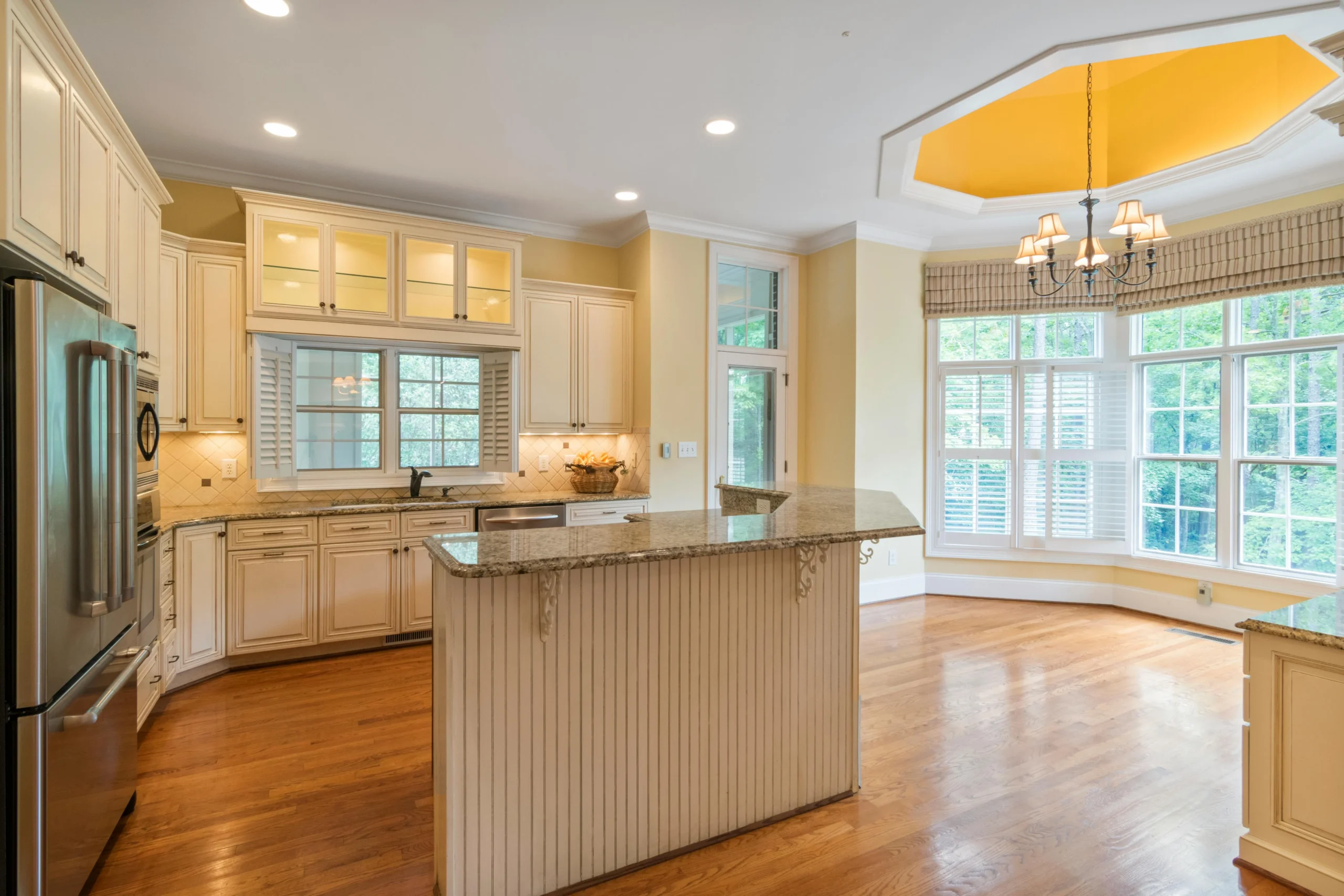
The more affordable entry points voice-controlled coffee makers, app-connected smaller appliances deliver a lot of the convenience at a fraction of the cost of a full smart refrigerator or oven replacement. If you’re testing whether smart kitchen tech is actually useful for your routine before committing to a major appliance purchase, starting small is the more financially sensible approach.
Comparison Table: Real Cost and Value by Upgrade
| Upgrade | Typical Cost | Annual Savings/Value | Buyer Appeal |
|---|---|---|---|
| Smart Thermostat | $80–$300 | $50–$460 (varies by source, see above) | Extremely high |
| Smart Doorbell/Camera | $100–$250 | Insurance discounts possible | Very high |
| Smart Locks | $150–$300 | Insurance discounts possible | High |
| Smart Lighting (bulbs/switches) | $10–$80 per fixture | Modest energy savings | High, especially during showings |
| Smart Plugs | $15–$30 each | Minor, mainly convenience | Moderate |
| Full Security System | $200–$800 | $50–$150/year (insurance) | Very high |
| Smart Kitchen Appliances | $400–$10,000 | Varies widely | Moderate to high |
This table reflects 2026 industry pricing data from multiple sources; actual costs and savings will vary by home, region, and specific product chosen.
Does Smart Home Tech Actually Increase Resale Value?
The honest answer: probably, but the exact number depends heavily on which source you check, and none of them agree precisely.
Estimates range from about 5% (a figure cited by The CE Shop) up to 10% in some 2026 market reports, with roughly 35% of surveyed real estate agents saying smart features specifically add $5,000 to $10,000 in property value. What’s more consistent across sources is buyer interest: 78% of buyers say smart features matter to their home search, and a meaningful share say they’d pay more for a home that already has them installed.
The practical takeaway: don’t treat “increases resale value by X%” as a guaranteed formula. Treat smart home upgrades as something that makes your home more competitive and faster to sell in a crowded market, with the dollar value varying by your specific market and buyer pool.
Smart Lighting: Small Cost, Consistent Appeal
Lighting upgrades sit at an unusual sweet spot in this list genuinely low cost, genuinely high visibility, and consistently ranked among the upgrades buyers notice fastest during a home showing.
Individual smart bulbs run $10 to $50 depending on brand and features (color-changing bulbs cost more than basic white ones), while smart switches that control existing fixtures without bulb replacement run $40–$80 each. For homeowners not ready to commit to bulb-by-bulb replacement, smart switches are often the more practical option, since they work with whatever bulbs are already installed.
The energy savings from smart lighting alone are modest compared to a thermostat, this is more of a convenience and buyer-appeal upgrade than a bill-reduction one. Scheduling, motion-activated lighting, and remote control are the actual value here, not dramatic utility savings.
A Practical Order for Building a Smart Home
If you’re starting from nothing, the data above suggests a reasonably clear priority order based on cost-to-value ratio rather than hype.
Start with the thermostat, since it has the clearest documented savings and the shortest payback period of anything on this list. From there, a video doorbell or basic security camera addresses the security category buyers consistently rank as important, without the cost of a full monitored alarm system. Smart lighting and plugs are the lowest-cost, lowest-risk additions to layer in afterward, useful for testing whether the convenience factor genuinely fits your routine before spending more.
Full smart kitchen appliances and comprehensive whole-home automation systems are reasonable end goals, but they’re also where cost climbs fastest with the least consistently documented return worth treating as a later-stage upgrade rather than a starting point.
Building Without Overspending Upfront
A common assumption is that smart homes require a big upfront investment. That’s increasingly not true. Individual smart bulbs run $10–$50, smart plugs run $15–$30, and a single smart thermostat arguably the highest-impact single device on this list runs $80–$300 depending on the model.
Building a smart home gradually, device by device, rather than committing to a full whole-home system upfront, is both financially safer and lets you confirm which categories (security, energy, convenience) actually matter for your household before spending more.
Frequently Asked Questions
Not quite. Manufacturers advertise up to 26% savings based on internal data, but independent ENERGY STAR figures show average verified savings closer to 8%, or roughly $50–$100 a year. Realistic savings for most households fall somewhere between those numbers, in the 10–23% range depending on climate and prior thermostat habits.
Generally yes, though estimates vary by source, ranging from about 5% to 10% depending on the study. More consistently, buyer interest is high 78% of buyers say smart features matter in their home search.
A smart thermostat is generally considered the highest-value starting point, since it has the clearest, most consistently documented savings data and requires minimal installation for most homes.
Not necessarily. Most current models include a workaround (like Ecobee’s Power Extender Kit or Nest’s Charge Booster) that handles installations without a dedicated C-wire in the vast majority of homes.
A smart doorbell camera runs $100–$250, and smart locks run $150–$300. A more complete system with sensors and an alarm hub typically runs $200–$800 total.
For most homeowners, starting with individual devices a thermostat, then a doorbell camera, then lighting is the more financially sensible approach. It lets you confirm real-world value before committing to a larger system, and avoids the $1,000+ cost of a full professionally installed setup upfront.
The Bottom Line
Smart home trends 2026 are real, and the underlying technology genuinely works but the marketing numbers and the independently verified numbers aren’t the same thing, and it’s worth knowing the difference before you buy. Start with a smart thermostat if you haven’t already, since it has the clearest documented savings, then build outward based on what your household actually uses rather than what looks impressive in a showing.
SOURCES
- The Consumer’s Guide : “The 10 Best Smart Thermostats of 2026: Tested for Energy Savings“
- MSN (Consumer Reports summary) : “Ecobee and Nest lead 2026 smart thermostat rankings“
- HomeAutoCentral : “Best Smart Thermostats 2026: Nest vs Ecobee Winner”
- Today’s Homeowner : “Smart Home Trends and Statistics (2026)”
- HonestCasa : “Smart Home Upgrades That Actually Increase Home Value in 2026”
- MakerStations : “Smart Home Market Trends And Statistics 2026”
DISCLAIMER
PeakGuard Home provides general guidance on home and solar improvement topics based on research and publicly available information. This content is intended for informational purposes only and should not be treated as professional advice. Costs, products, and recommendations may vary based on your location, home, and local codes. Always consult a licensed contractor, electrician, or solar professional before making improvement decisions or starting any project.