
Water heating accounts for roughly 17% of the average home’s energy use, which makes it one of the more financially significant decisions you’ll make about your house, even though it rarely gets the attention a kitchen or roof does. When a water heater fails, most homeowners are choosing under pressure, with no hot water and a plumber on the way.
The honest answer to tank vs tankless water heater cost isn’t a clean “tankless always wins” or “tank is always cheaper” — it genuinely depends on how long you’re staying in the home and how much you weight upfront cost against long-term ownership cost. Here’s the real math, not just the marketing.
Table of Contents
The Upfront Cost Gap Is Real
Tank wins decisively here, and it’s not close. A standard 40-50 gallon tank water heater costs roughly $600-$3,200 installed, while a tankless system runs roughly $1,400-$6,500 installed. That’s a genuinely wide range on both sides, and the reason is installation complexity, not just the unit price.
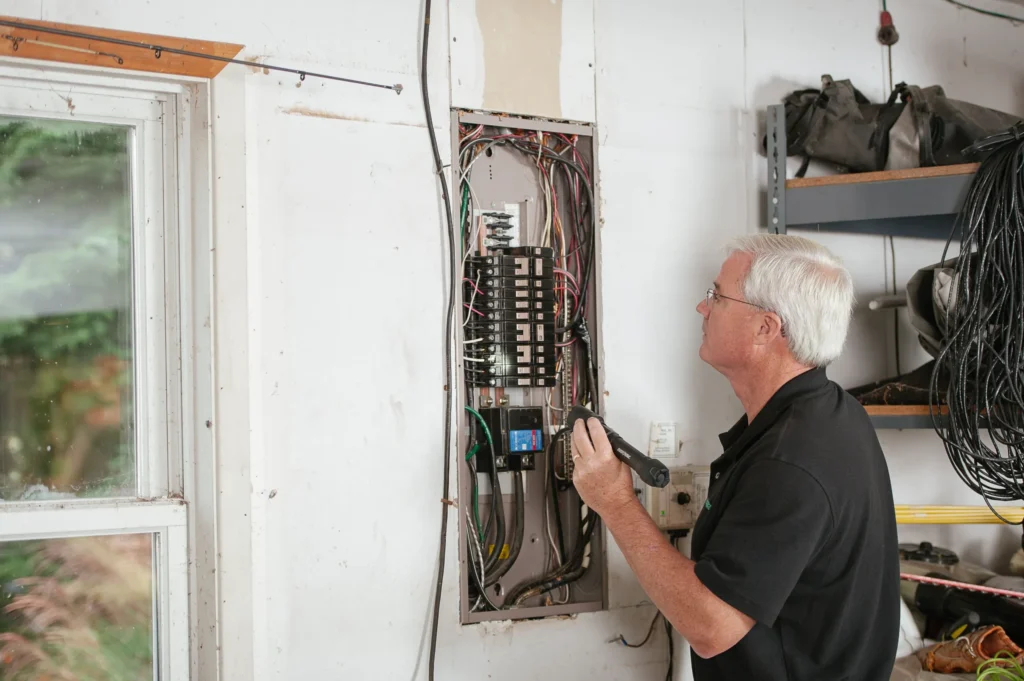
Converting from an existing tank setup to tankless often requires real infrastructure changes: gas line resizing ($300-$1,000) if your existing line isn’t sized for a tankless unit’s higher demand, new venting ($200-$800) specific to tankless combustion requirements, and in roughly 60% of installations in homes built before 1990, an electrical panel upgrade ($800-$2,500) to support the larger circuits electric tankless units need. If you’re simply replacing an existing tankless unit with another one, costs drop significantly since that infrastructure is already in place — the expensive scenario is switching technology, not replacing like-for-like.
Where Tankless Pulls Ahead: Lifespan and Efficiency
This is the part the upfront price tag doesn’t capture. A standard tank water heater lasts 8-12 years, with most plumbers recommending planning a replacement by year 10, especially in hard water areas where sediment buildup accelerates wear. A properly maintained tankless unit lasts 15-20 years or more — some units installed in the early 2000s are reportedly still running today.
That gap is the single biggest factor in real cost of ownership. If you’re staying in your home long-term, you’ll likely replace a tank once or twice in the time it takes a single tankless unit to reach the end of its life, and each of those replacements carries a full installation cost again.
On efficiency specifically, the Department of Energy’s own data shows tankless systems are 24-34% more efficient than tank models for households using 41 gallons or less of hot water daily, dropping to a still-meaningful 8-14% improvement for higher-usage households using up to 85 gallons a day. That efficiency gap translates to annual energy savings commonly cited at $150-$300, depending on your fuel type, local energy rates, and household usage.
Correcting an Outdated Claim You’ll See Elsewhere
A number of currently published guides mention a 30% federal tax credit, up to $600, for ENERGY STAR-certified tankless water heaters as an active 2026 incentive. That credit — the Energy Efficient Home Improvement Credit, Section 25C — expired for equipment placed in service after December 31, 2025, under the One Big Beautiful Bill Act. If you installed a qualifying unit on or before that date, you can still claim it on your 2025 tax return, but new installations in 2026 don’t qualify for this federal credit. State and utility rebate programs may still be available, and it’s worth checking directly with your utility rather than assuming the old federal number still applies.
Comparison Table: Tank vs. Tankless, Real Numbers
| Factor | Tank Water Heater | Tankless Water Heater |
|---|---|---|
| Installed Cost | $600–$3,200 | $1,400–$6,500 |
| Typical Lifespan | 8–12 years | 15–20+ years |
| Energy Efficiency (low usage) | Baseline | 24–34% better (DOE) |
| Energy Efficiency (high usage) | Baseline | 8–14% better (DOE) |
| Annual Energy Savings (tankless vs. tank) | — | ~$150–$300 |
| Standby Heat Loss | Yes, constant | None |
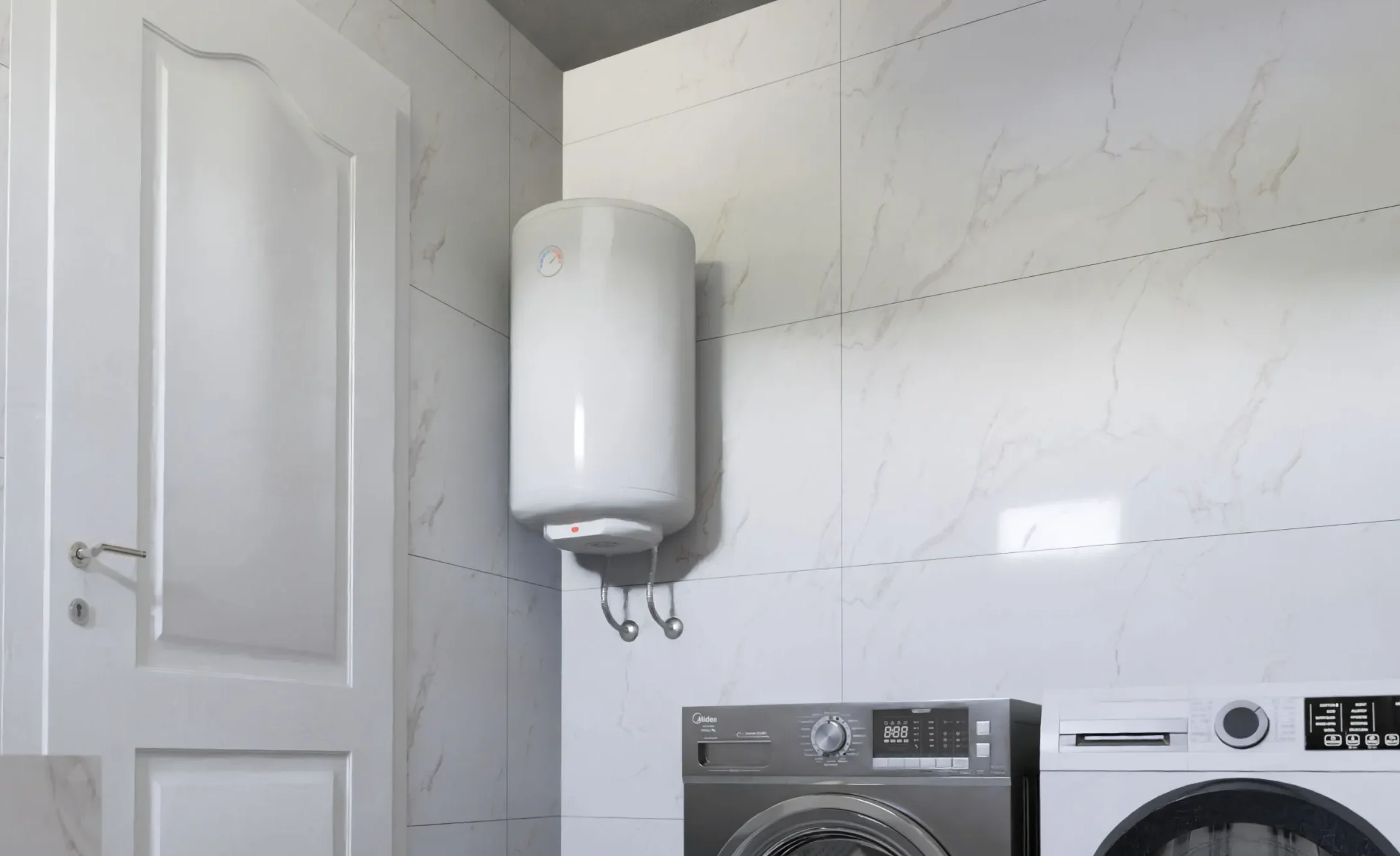
| Space Required | ~24″ diameter, 60″ tall, floor clearance | ~20″W x 28″H x 10″D, wall-mounted |
| Federal Tax Credit (2026) | Not applicable | Expired Dec. 31, 2025, not available for new 2026 installs |
| Maintenance | Anode rod replacement every 3-5 years, $100-$200 | Annual descaling, $50 DIY / $100-$200 professional |
This table reflects 2026 national average data compiled across multiple contractor and industry cost sources; actual pricing varies by region, home infrastructure, and installer.
The 20-Year Math
Over a full 20-year horizon, several detailed cost analyses converge on tankless systems saving $2,000-$5,000 compared to gas tank systems, once you account for the tank’s near-certain second replacement cycle, its higher ongoing energy cost, and routine maintenance on both sides. At the 10-year mark specifically, the comparison is much closer — tankless may still cost slightly more in total, largely because it likely hasn’t needed replacement yet while a tank system, by that point, is approaching or past its typical lifespan.
The break-even point where cumulative energy savings alone offset the higher tankless upfront cost commonly falls between 10 and 15 years. That doesn’t include the avoided cost of the second tank purchase and installation a long-term homeowner would otherwise face — factoring that in, the real financial tipping point in tankless’s favor often arrives sooner than the energy-savings-only number suggests.
Maintenance: Neither System Is Maintenance-Free
It’s a common misconception that tankless systems require no upkeep. Both types need attention, just different kinds. Tank systems need anode rod inspection and replacement every 3-5 years, running $100-$200 installed — this sacrificial rod prevents the tank itself from corroding, and skipping it is one of the most common reasons tanks fail earlier than their rated lifespan, especially in hard water regions.
Tankless systems need annual descaling to prevent mineral buildup inside the heat exchanger, costing roughly $50 for a DIY vinegar-based flush or $100-$200 for professional service. Skipping tankless descaling in hard water areas, which cover an estimated 85% of the US, can shorten the unit’s effective lifespan and reduce efficiency well before its rated end-of-life, similar to how skipping a tank’s anode rod accelerates its failure.
Which One Actually Fits Your Situation
If you need a quick, affordable replacement, especially after an unexpected failure, or your household has very high simultaneous hot water demand that a tankless system would need to be significantly oversized to handle, a tank remains the more practical short-term choice. If you’re planning to stay in your home for 10+ years, have or can accommodate the infrastructure a tankless system needs, and value the space savings and endless hot water, tankless is the stronger long-term financial and practical choice.
Gas tankless systems generally offer the fastest hot water recovery and handle higher simultaneous demand better than electric tankless units, which is worth knowing if you’re deciding between fuel types rather than just tank versus tankless in general — electric tankless conversions also frequently require that panel upgrade mentioned earlier, adding real cost that a gas conversion may not.
Frequently Asked Questions
For homeowners staying in their home 10+ years, generally yes the combination of a longer lifespan (15-20+ years vs. 8-12), lower energy costs, and avoiding a second tank replacement typically outweighs the higher installation cost over a 20-year horizon.
Tank systems run $600-$3,200 installed, while tankless runs $1,400-$6,500, a gap that widens further if your home needs gas line resizing, new venting, or an electrical panel upgrade to accommodate the tankless system.
No. The Energy Efficient Home Improvement Credit (Section 25C), which covered qualifying tankless water heaters, expired for equipment installed after December 31, 2025. Only installations completed on or before that date can still claim it, on a 2025 tax return.
Tankless systems typically last 15-20 years or more with proper maintenance, compared to 8-12 years for standard tank systems often long enough that a homeowner replaces a tank system once or twice during a single tankless unit’s lifespan.
Yes, according to Department of Energy data: 24-34% more efficient for households using 41 gallons or less of hot water daily, and 8-14% more efficient for higher-usage households, translating to roughly $150-$300 in annual savings depending on fuel type and usage.
Gas tankless systems generally offer faster hot water recovery and better handling of simultaneous high demand, but often require gas line and venting upgrades. Electric tankless units avoid gas infrastructure but frequently need an electrical panel upgrade, especially in homes built before 1990.
The Bottom Line
Tank vs. tankless water heater cost isn’t a simple upfront-price comparison — it’s a question of time horizon. Tank wins clearly on initial cost, and remains the practical choice for a fast, affordable replacement or very high simultaneous demand. Tankless costs more upfront and often requires real infrastructure changes, but its 15-20+ year lifespan, meaningful energy savings, and avoided second replacement typically make it the stronger financial choice for anyone staying in their home a decade or more. Get quotes reflecting your actual home’s infrastructure, not just the base unit price, before deciding either way.
SOURCES
- PlumbingSniper : “Tankless vs Tank Water Heater Cost 2026: Full Comparison“
- C&C Air Conditioning, Heating, Plumbing & Electric : “Tankless Water Heater vs. Tank: Cost Breakdown”
- TanklessGeek : “Are Tankless Water Heaters Worth It? (ROI Analysis 2026)”
- Accurate Heat : “Are Tankless Water Heaters Better? Definitive Guide”
- Internal Revenue Service : “Energy Efficient Home Improvement Credit”
- HVACPricingGuide : “HVAC Tax Credits 2026: What Expired, What Remains”
DISCLAIMER
PeakGuard Home provides general guidance on home and solar improvement topics based on research and publicly available information. This content is intended for informational purposes only and should not be treated as professional advice. Costs, products, and recommendations may vary based on your location, home, and local codes. Always consult a licensed contractor, electrician, or solar professional before making improvement decisions or starting any project.