
Search “solar panel cleaning robot” and you’ll find plenty of slick product pages and demo videos. What you won’t easily find is a straightforward answer to the question a homeowner actually has: can I buy one of these for my house, and does it make financial sense? Solar panel cleaning robots are a real, genuinely useful technology, just not quite in the way the marketing implies for most homeowners.
Table of Contents
What These Robots Actually Are, and Who They’re Built For
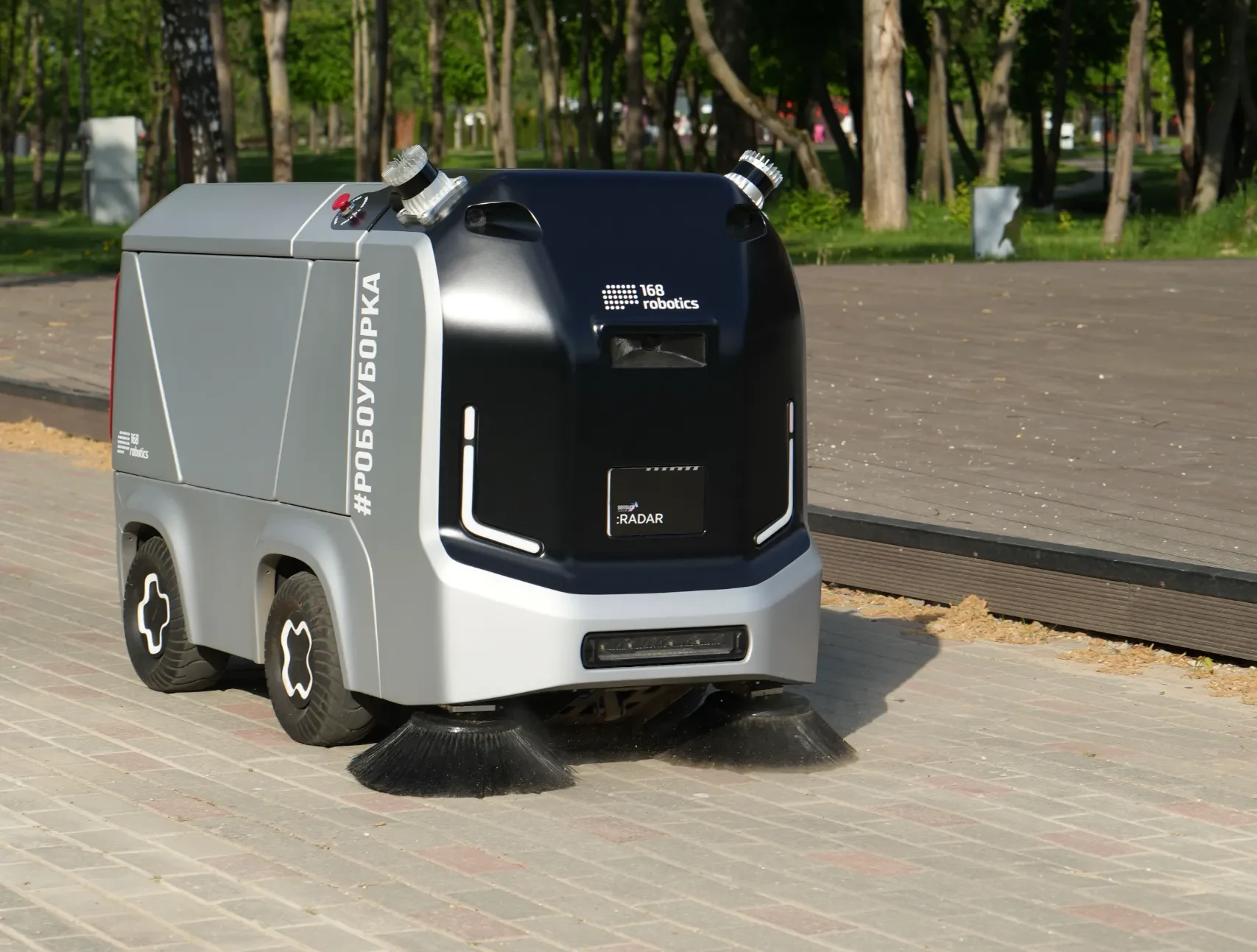
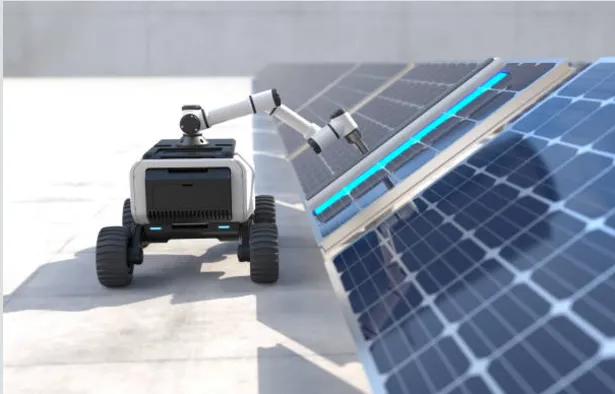
Every major cleaning robot brand that shows up in current searches — Doka Engineering, Solar Cleano, Trinabot, XYT, and QLEEN’s Q-SUN system — is designed and sold for utility-scale solar farms, large commercial rooftop arrays, or professional cleaning businesses running routes across many properties. These aren’t small consumer gadgets; they’re engineered equipment with brush spans measured in hundreds of millimeters, built to cover thousands of square meters per hour.
Tellingly, one manufacturer’s own materials state plainly that “solar panel cleaning robot prices aren’t usually published online,” specifically because the cost depends on site-specific factors like installation scale and terrain, not a fixed consumer price tag. That’s a real signal about who this equipment is actually built for: businesses requesting custom quotes, not homeowners comparing listings.
The One Honest Data Point on Residential Cost
Digging through manufacturer materials, one source directly addresses residential scale: “residential units might cost a few thousand dollars, whereas industrial-grade robots can range into the tens of thousands.” That’s a real, sourced statement, but it’s also about as specific as the current market gets — no widely available, named consumer product with a clear price tag turned up in current research, unlike, say, a robotic pool cleaner or vacuum, which have well-established consumer product lines.
That gap matters. If you’re picturing a small, autonomous, app-controlled robot you can order online and mount on your rooftop panels the way you might buy a robot lawnmower, that product category isn’t well established for typical single-family homes right now.
What’s Actually Well-Documented: Professional Cleaning Service
While robots remain a mostly industrial story, professional manual cleaning service for homeowners is thoroughly documented and widely available. A standard 20-30 panel residential system costs $150-$450 per professional cleaning visit in 2026, with per-panel pricing commonly running $10-$20 (some regional sources cite up to $15-$35 per panel depending on access and local market).
Annual service contracts covering two cleanings a year typically run $250-$700 total and save 10-20% compared to booking visits individually. Professional cleaners use deionized water systems for a spot-free result, carry insurance, and understand which cleaning methods won’t void your specific panel manufacturer’s warranty — a real advantage over generic DIY approaches.
The Real Math: Robot vs. Professional Service vs. DIY
Here’s where the “worth it” question actually gets answered. Dirty panels typically lose 10-25% of their output. For a system producing roughly $1,400 a year in savings, that’s $140-$350 in annual lost production from soiling alone. A single $200 professional cleaning that restores even 15% of lost production pays for itself within a few months — this is the benchmark any alternative needs to beat.
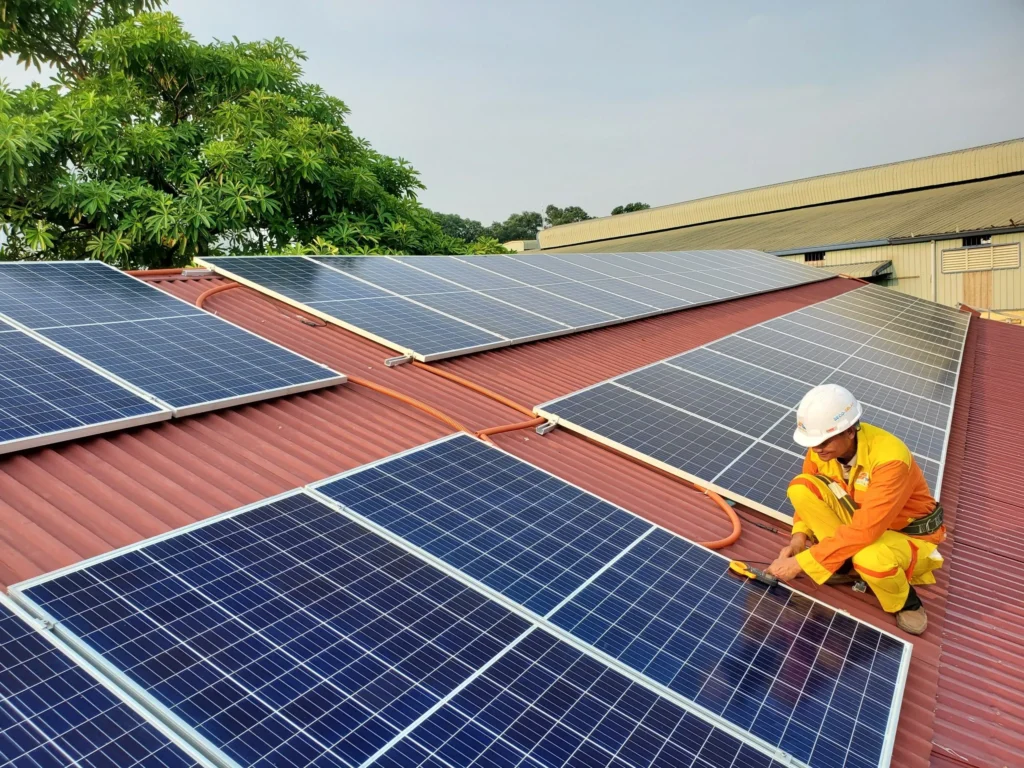
A residential cleaning robot, even at the low end of “a few thousand dollars,” would need several years of avoided professional cleaning costs just to break even, assuming a homeowner would otherwise pay for cleanings 1-2 times a year at $150-$450 each. Compare that to the equipment math for a professional cleaning business: a $2,000-$8,000 commercial setup pays for itself in 2-4 months, but only because that cost is spread across dozens or hundreds of client properties, not carried by a single home’s savings.
Comparison Table: Robot vs. Professional Service vs. DIY
| Option | Typical Cost | Best For | Realistic for Most Homeowners? |
|---|---|---|---|
| Professional cleaning (single visit) | $150–$450 | Most residential systems, especially steep/high roofs | Yes, well-documented, widely available |
| Professional annual contract (2x/year) | $250–$700/year | Regular maintenance in high-soiling climates | Yes |
| DIY equipment (pole, brush, squeegee) | $50–$250 one-time | Single-story, easily accessible roofs | Yes, with real safety caveats |
| Consumer-grade DI water setup | $300–$500 additional | Homeowners wanting spot-free DIY results | Only if doing frequent DIY cleaning long-term |
| Residential cleaning robot | “A few thousand dollars” (limited verified pricing) | Very large residential arrays, frequent extreme soiling | Rarely, payback period is long for typical homes |
| Industrial/commercial cleaning robot | Tens of thousands of dollars | Utility-scale solar farms, large commercial rooftops | No, not built for residential scale |
This table reflects the current, honestly limited state of residential robot pricing alongside well-documented professional service costs; consumer robot options may become more established as the category matures.
Why the Marketing Gets Ahead of the Reality
Part of the confusion comes from how these products are marketed online. Manufacturer websites use language clearly aimed at broad search traffic — phrases emphasizing efficiency, sustainability, and cutting-edge automation while the actual product specifications, brush spans measured in hundreds of millimeters and industrial mounting requirements, make clear these are commercial installations, not something you’d bolt onto a 20-panel residential roof array. It’s worth reading past the marketing language on any solar cleaning robot page to the actual technical specifications before assuming a product applies to your situation.
This isn’t unique to solar cleaning — the broader category of home robotics (robotic mowers, pool cleaners, gutter cleaners) has followed a similar pattern historically, with early consumer products often expensive and limited before the category matured into genuinely affordable, well-reviewed options years later. Solar cleaning robots may follow the same trajectory, but as of 2026, the category is still closer to its industrial starting point than a mature consumer market.
When a Robot Might Actually Make Sense
There are genuine edge cases where the math could work differently. A homeowner with an unusually large residential solar array, in a severe, near-constant soiling climate (heavy dust, agricultural dust, or frequent ash), who would otherwise need professional cleaning far more often than the standard 1-2 times a year, is the scenario where the economics of a several-thousand-dollar robot start to look more reasonable. For the average residential system and average soiling conditions, though, the math clearly favors professional service or careful DIY over a robot purchase right now.
What Most Homeowners Should Actually Do
Given the current state of the market, the practical recommendation for 2026 is straightforward: professional cleaning 1-2 times a year, or careful DIY with the right tools (a soft, non-abrasive brush, ground-based water-fed pole, and plain or deionized water) for accessible single-story roofs, remains the well-documented, cost-effective path for the vast majority of homeowners. A cleaning robot is worth revisiting as a category in the future, but it’s not yet a mainstream, clearly-priced consumer product the way robotic vacuums or lawnmowers are.
Frequently Asked Questions
Options are limited. Most named cleaning robot brands (Doka, Solar Cleano, Trinabot, XYT) are built and priced for utility-scale or commercial use, not individual homeowner purchase. One manufacturer states residential units “might cost a few thousand dollars,” but a widely available, clearly-priced consumer product wasn’t found in current research.
For a typical residential system, usually not. Professional cleaning costs $150-$450 per visit, 1-2 times a year. A robot costing “a few thousand dollars” would take many years of avoided cleanings to break even, making professional service the more cost-effective choice for most homes.
$150-$450 for a standard 20-30 panel residential system in 2026, with annual two-visit contracts running $250-$700 and saving 10-20% compared to individual bookings.
Yes, for single-story, easily accessible roofs. Basic equipment (soft brush, extension pole, squeegee) costs $50-$250 one-time, with $0-$30 in ongoing costs per cleaning using a standard hose.
Roughly 10-25%, depending on soiling severity and climate. For a system generating about $1,400 a year in savings, that’s $140-$350 in annual lost production, which a single professional cleaning often recovers within months.
It’s reasonable to expect the category to mature over time, similar to how robotic pool cleaners and lawnmowers developed consumer markets. As of 2026, though, well-documented, clearly-priced residential options remain limited compared to established professional cleaning services.
The Bottom Line
Solar panel cleaning robots are a genuine, useful technology, just not yet a mainstream consumer product for most homeowners. The named brands in this space are built for utility-scale farms and professional cleaning businesses, and the one verified residential price point — “a few thousand dollars” — doesn’t pencil out favorably against $150-$450 professional cleanings done once or twice a year. For nearly every homeowner in 2026, professional service or careful DIY remains the well-documented, cost-effective way to keep panels clean, with a robot purchase worth reconsidering only for unusually large arrays in severe, constant soiling conditions.
SOURCES
- Doka Engineering : “Solar Panel Cleaning Robot Price 2026“
- Trinarobot : “Solar Panel Cleaning Robot Cost“
- XYT : “Solar Cleano Price Explained: Is It Worth the Cost or Are Factory Robot Alternatives a Better Value?”
- QLEEN : “Solar panel cleaning cost in 2026: prices per m² and kWp”
- SolarEnergySimplified : “Solar Panel Cleaning Cost in 2026: What to Expect“
- EquipMaxx : “Solar Panel Cleaning Equipment Guide 2026”
DISCLAIMER
PeakGuard Home provides general guidance on home and solar improvement topics based on research and publicly available information. This content is intended for informational purposes only and should not be treated as professional advice. Costs, products, and recommendations may vary based on your location, home, and local codes. Always consult a licensed contractor, electrician, or solar professional before making improvement decisions or starting any project.