
Walking into your home on a blistering July afternoon should feel like a relief, but stepping into a warm, sticky indoor climate instantly signals trouble. Air conditioning systems rarely fail without warning, yet many homeowners ignore subtle performance drops until a complete breakdown occurs. Recognizing the specific signs your home air conditioning unit needs inspection can prevent a minor mechanical issue from turning into a costly emergency compressor replacement. Because local environmental factors drastically change how mechanical equipment wears down, a generic seasonal checklist simply does not cut it. Whether you reside in the scorching Arizona desert, the salt-heavy Florida coastline, or the pollen-dense suburbs of the Midwest, your cooling system faces distinct localized stressors.
Table of Contents
The Desert Climate Stress Test: Dust, Thermal Load, and Compressor Strain
Operating an air conditioner in arid desert environments like Phoenix or Las Vegas subjects the equipment to extreme thermal stress that few northern systems ever experience. Ambient outdoor temperatures regularly eclipse 110 degrees Fahrenheit, forcing the condenser unit to work overtime just to reject heat from the home.
Recognizing Desert-Specific AC Failure Triggers
Fine desert dust and windblown sand bypass standard exterior filters, coating the condenser coils in an insulating blanket of grime. When this happens, heat transfer efficiency plummets, and head pressures inside the system skyrocket. If your utility bills spike unexpectedly while your indoor temperature creeps upward, your system is likely choking on particulate buildup. Homeowners in these regions should also listen closely for a clicking or humming sound at startup, which often indicates a failing capacitor struggling against the brutal ambient heat.
Coastal Corrosion: The Invisible Enemy of Salt Air and High Humidity
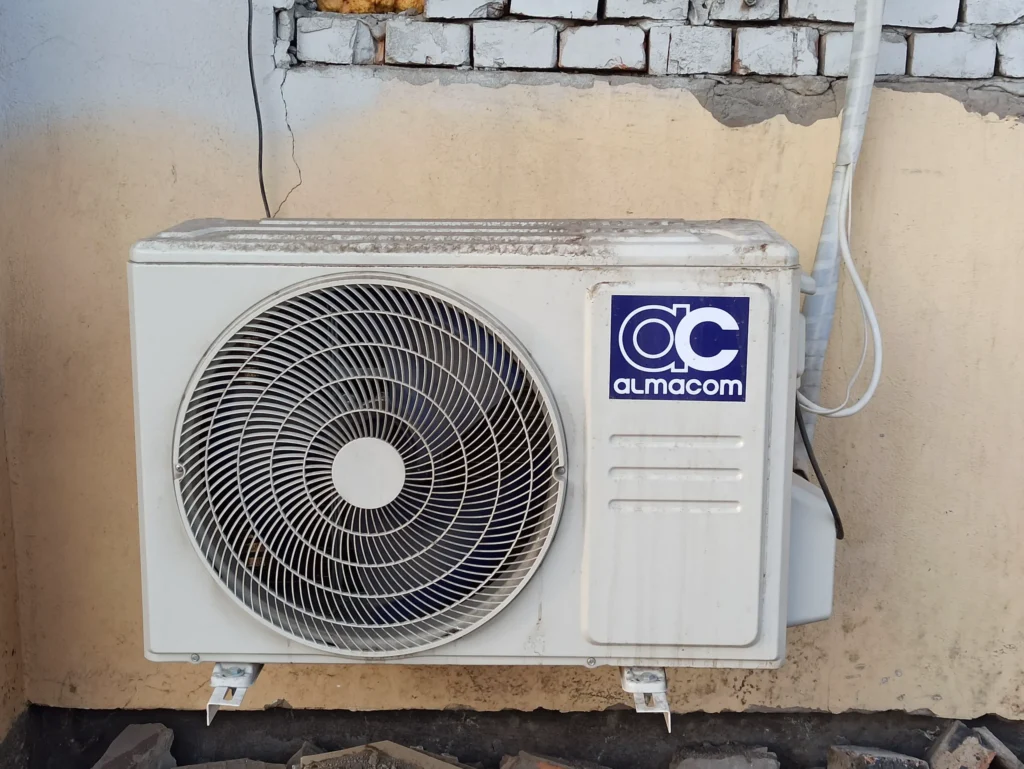
Coastal properties face an entirely different set of mechanical challenges due to heavy moisture and airborne saline concentrations. Salt is inherently corrosive to aluminum fins and copper tubing, creating a chemical reaction known as galvanic corrosion when dissimilar metals touch.
Identifying Salt-Air Degradation Early
If you notice white, flaky oxidation forming on your outdoor unit’s metal casing or refrigerant lines, corrosion has already compromised the structural integrity of the coils. This degradation leads to microscopic pinhole leaks where pressurized refrigerant slowly escapes into the atmosphere. A sweet, chemical odor near your vents or a noticeable drop in cooling capacity during peak humidity are primary indicators that your coastal system requires professional intervention before a total refrigerant charge loss occurs.
The High-Pollen and Humidity Trap: Biological Growth and Clogged Evaporators
In humid subtropical zones across the American Southeast and Midwest, systems manage heavy moisture loads alongside massive influxes of organic debris. Spring and summer bring heavy tree pollen, cottonwood seeds, and fungal spores that get drawn into the return air ducts.
Tackling Condensate Line Clogs and Coil Slime
When warm, humid air passes over a cold indoor evaporator coil, condensation forms rapidly. If organic matter mixes with this moisture, it creates a thick sludge that clogs the condensate drain pan and line. Water backing up into your utility room or ceiling drywall is an obvious emergency, but musty, moldy odors emanating from your ductwork whenever the fan kicks on serve as an early warning sign that the internal system requires deep cleaning and professional sanitization.
| Climate Region | Primary Environmental Stressor | Most Common Component Failure | Recommended Inspection Frequency |
| Desert / Arid | Extreme ambient heat & fine dust | Run capacitors & clogged condenser coils | Every 6 months (pre-summer / pre-winter) |
| Coastal / Marine | Saltwater moisture & high humidity | Copper-aluminum coil corrosion & refrigerant leaks | Quarterly due to aggressive corrosion |
| Humid Subtropical | Heavy pollen, mold spores & moisture | Clogged condensate drains & blower motor wear | Bi-annually (spring & fall) |

Universal Mechanical Warning Signs Across All Regions
Regardless of your geographic location, certain red flags indicate mechanical distress within your residential cooling network. Ignoring these symptoms accelerates component wear and drives up monthly utility expenses.
Strange Noises and Odors
A healthy air conditioner operates with a low, steady hum. Grinding or screeching noises point directly to unlubricated motor bearings or a slipped blower belt that requires immediate replacement. Banging or rattling sounds usually mean internal components have shaken loose due to excessive vibration. Similarly, a burning electrical smell warrants an immediate system shutdown to prevent an electrical fire caused by overheating wires or a failing blower motor winding.
Short-Cycling and Inconsistent Airflow
If your compressor turns on and off every few minutes without actually cooling the home, the unit is short-cycling. This behavior places immense strain on the compressor motor and is frequently caused by an oversized system, a blocked air filter restricting airflow, or a malfunctioning thermostat switch. Checking your air filters is the necessary first step, as the U.S. Department of Energy notes that replacing a severely clogged filter can noticeably restore airflow and overall system efficiency.
Proactive Maintenance Versus Reactive Repair: What Homeowners Should Know
Waiting for your air conditioner to completely stop working during a heatwave guarantees premium emergency service rates and prolonged discomfort. Establishing a seasonal routine allows you to catch minor anomalies before they escalate. Keeping the area surrounding your outdoor condenser clear of shrubs, leaves, and lawn clippings by at least two feet ensures unobstructed airflow and prevents unnecessary head pressure buildup.
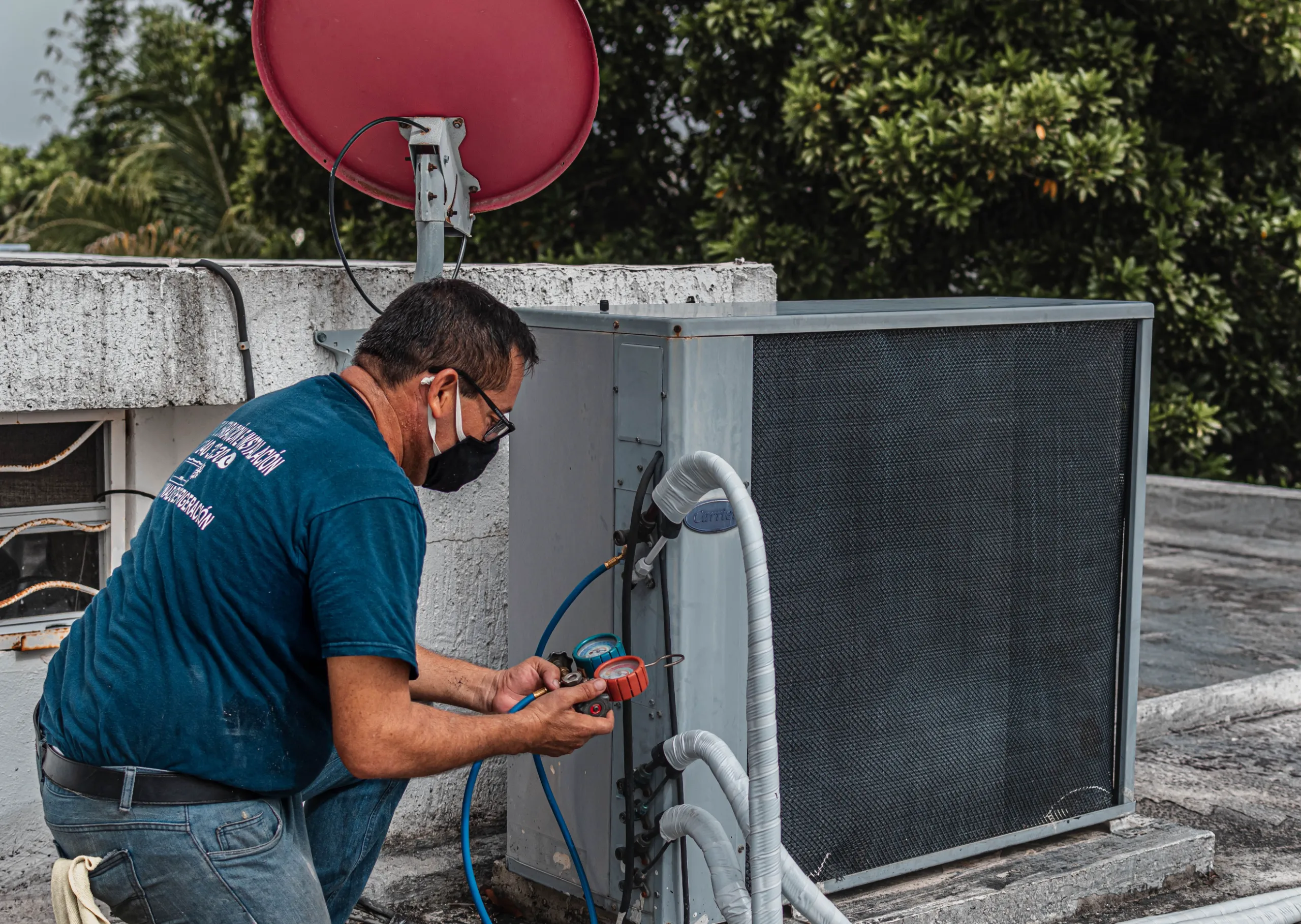
Homeowners should also periodically inspect their thermostat calibration and ensure supply registers are not blocked by furniture or rugs. However, handling tasks that involve electrical components, high-voltage wiring, or closed-loop refrigerant lines should always be left to certified, licensed HVAC professionals equipped with proper diagnostic manifolds and recovery tools.
Frequently Asked Questions
Most residential HVAC manufacturers and industry standards recommend a professional tune-up twice a year—once in the spring before heavy cooling demands begin, and once in the fall for heating systems. Homes in harsh climates like deserts or coastal regions benefit greatly from quarterly checks due to accelerated wear.
Yes, a blocked or heavily loaded air filter severely restricts airflow across the indoor evaporator coil. Because warm air cannot pass over the coil to absorb heat, the refrigerant temperature drops below freezing, causing ambient moisture to turn into a solid block of ice on the coils.
Common indicators include a noticeable decrease in cooling output, longer run cycles as the system struggles to reach the set temperature, hissing sounds near the refrigerant lines, and higher-than-average electricity bills. An EPA-certified technician must test system pressures and repair the leak before recharging the unit.
Mildew or mold odors usually stem from accumulated moisture, dust, and organic debris trapped inside the dark, damp environment of the indoor air handler or condensate drain pan. Running the fan continuously can worsen this, requiring a professional coil cleaning and duct inspection.
On extremely hot days exceeding design temperatures, an air conditioner may run for long stretches to maintain indoor comfort. However, if the system runs continuously without cycling off and the indoor temperature keeps climbing, it indicates an efficiency failure, low refrigerant, or an undersized unit.
Maintaining a comfortable indoor climate requires vigilance, an understanding of regional environmental pressures, and prompt attention to minor mechanical warnings. By monitoring your equipment closely and scheduling timely professional checkups, you protect your investment and ensure dependable cooling performance year-round.
Sources:
- U.S. Department of Energy – Energy Saver Maintenance Checklist
- Environmental Protection Agency (EPA) – Managing Refrigerant and Clean Air Act Section 608 Guidelines
- American Society of Heating, Refrigerating and Air-Conditioning Engineers (ASHRAE) – Standards, Guidelines, and Handbooks
DISCLAIMER
PeakGuard Home provides general guidance on home and solar improvement topics based on research and publicly available information. This content is intended for informational purposes only and should not be treated as professional advice. Costs, products, and recommendations may vary based on your location, home, and local codes. Always consult a licensed contractor, electrician, or solar professional before making improvement decisions or starting any project.