


Every homeowner has heard some version of the same advice: renovate smart, not just pretty. The problem is that “smart” gets thrown around a lot without any real numbers behind it.
That’s the gap this guide fills. Future-proof home renovation isn’t about guessing which trends will stick. It’s about looking at what the actual resale and cost data says before you spend money on an upgrade that might be outdated, or worse, might not pay back at all.
Some of what follows will probably surprise you. The projects with the flashiest before-and-after photos are often not the ones with the best return.
Table of Contents
The Renovation Everyone Overspends On: Kitchens
Kitchens are the renovation homeowners most want to talk about, and also the one where the data most contradicts intuition.
According to the industry’s Cost vs. Value Report, a minor kitchen remodel, refaced cabinets, new hardware, updated countertops and appliances, no layout changes returns somewhere between 96% and 113% of its cost at resale, depending on the year and region. A major, gut-it-and-start-over kitchen remodel, by contrast, typically returns only 35–40%.
That’s not a small gap. It means the $28,000 refresh often outperforms the $100,000+ full renovation, dollar for dollar, when resale value is the goal.
Why Minor Beats Major Almost Every Time
The logic comes down to what buyers actually pay for. Buyers compare your home to others in the neighborhood, and a home rarely sells for much above what the local market supports. No matter how nice the kitchen is. A modest refresh clears the “this kitchen looks dated” bar that turns buyers away, while a magazine-cover kitchen mostly adds cost without a proportional jump in what buyers will pay.
If you’re planning to stay in the home for 10+ years, the calculation changes daily enjoyment matters more than resale math at that point. But if resale value is part of your decision, minor is usually the financially smarter move.
The Exterior Projects Nobody Talks About (But Should)
Here’s the part of the ROI data that surprises most homeowners: exterior curb-appeal projects consistently outperform interior remodels, sometimes dramatically.
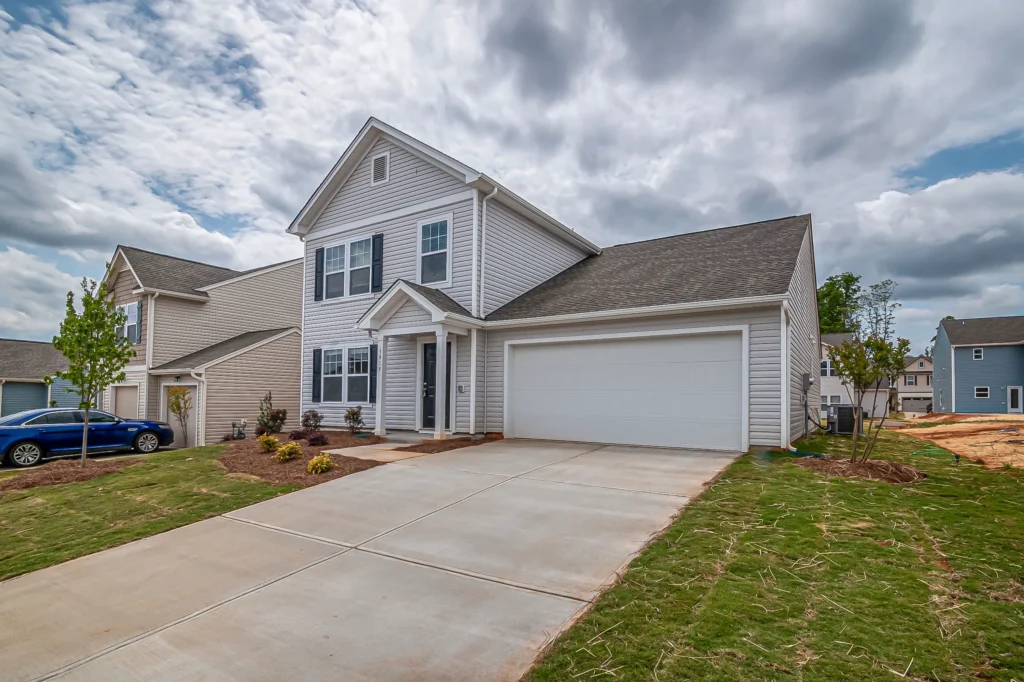
Garage door replacement currently tops national ROI rankings at roughly 194%, a project costing about $4,302 that adds close to $8,347 in resale value. Manufactured stone veneer accents follow at around 153%. These numbers work because the projects are relatively cheap, but the psychological effect on a buyer is disproportionately large: a clean, modern exterior makes the entire home read as well-maintained before anyone walks through the door.
The Cheapest High-ROI Project of All
If your home has original hardwood floors under carpet or beneath a worn finish, refinishing them is currently the single highest-ROI interior project tracked in national cost-vs-value data, returning roughly 147% of project cost. It’s inexpensive relative to almost anything else on this list, and it directly addresses one of the first things buyers notice when they walk in.
EV Charging: The Upgrade With a Closing Window
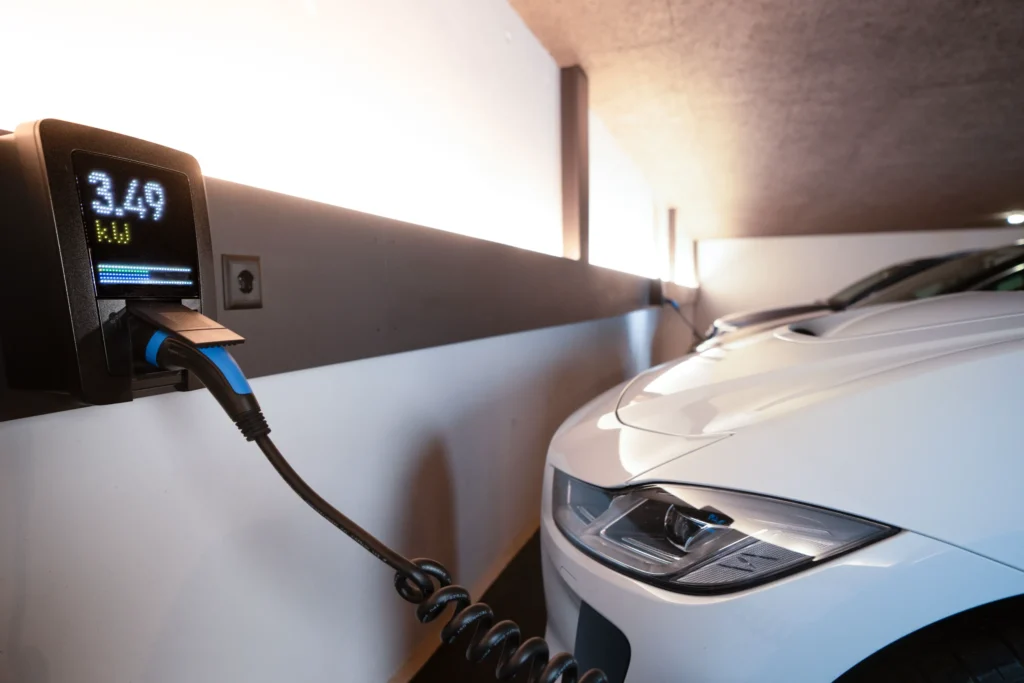
Electric vehicle adoption is growing steadily, and a pre-installed Level 2 home charger is increasingly something buyers specifically look for the electrical infrastructure itself (the dedicated circuit and panel capacity) is the valuable part, since the charger unit itself can be swapped out later.
A typical Level 2 charger installation costs $800–$3,000 total in 2026, covering the charger hardware ($300–$800) and professional electrician labor. Homes with an older electrical panel that needs a capacity upgrade can see costs climb toward $4,000–$7,000, so it’s worth having an electrician assess your panel before assuming the low end of that range applies to you.
There’s a real deadline attached to this one: the federal Section 30C tax credit, which covers 30% of equipment and installation costs up to $1,000, is currently set to expire for installations placed in service after June 30, 2026. If you’re already planning this upgrade, the timing genuinely matters for the cost math.
Comparison Table: Renovation ROI at a Glance
| Project | Typical Cost | Resale ROI | Best For |
|---|---|---|---|
| Minor kitchen remodel | $22,000–$35,000 | 96%–113% | Selling within 1-3 years |
| Major kitchen remodel | $80,000–$150,000 | 35%–50% | Long-term personal enjoyment only |
| Garage door replacement | ~$4,300 | ~194% | Nearly every homeowner |
| Manufactured stone veneer | Varies by sq ft | ~153% | Curb appeal on a budget |
| Wood floor refinishing | Low relative to scope | ~147% | Homes with existing hardwood |
| Wood deck addition | ~$18,200 | ~95% | Outdoor living value |
| Composite deck addition | ~$25,100 | ~89% | Lower-maintenance alternative |
| Level 2 EV charger | $800–$3,000 | Not resale-ranked, but buyer-desirable | EV owners or future-proofing |
| Swimming pool | $50,000–$80,000 | Often negative outside hot climates | Rarely recommended for ROI |
This table reflects national averages from the 2025-2026 Cost vs. Value Report and related industry sources; your actual ROI will vary by regional market, home condition, and neighborhood price ceiling.
Where Solar Fits Into This Picture
Solar isn’t tracked in the traditional Cost vs. Value Report the same way kitchens or decks are, because its value comes primarily from utility savings rather than a straightforward resale bump but it’s worth mentioning here since it’s a genuinely future-facing upgrade for the same reasons a kitchen refresh or EV charger is. If you’re evaluating solar specifically, it deserves its own cost-benefit look at your local utility rates and incentive programs rather than a blanket ROI percentage, since those vary enormously by state.
What solar does share with the EV charger conversation is timing sensitivity. Federal incentive structures for residential clean energy have shifted meaningfully over the past year, and state-level programs (net metering rules, time-of-use rate structures, virtual power plant participation) change often enough that a number that was accurate six months ago may not be accurate today. If solar is part of your future-proofing plan, it’s worth checking current program status for your specific utility rather than relying on older figures you may have seen elsewhere.
What to Actually Avoid
The data is just as useful for what it rules out. Swimming pools remain one of the weakest financial investments outside genuinely hot-climate markets like Arizona or South Florida costing $50,000-$80,000 while often being viewed by buyers as a maintenance and liability concern rather than a selling point.
Similarly, any renovation that pushes your home’s value meaningfully above the neighborhood median tends to underperform. A $150,000 kitchen in a neighborhood of $350,000 homes typically doesn’t recoup its cost, no matter how well it’s executed buyers in that price range simply aren’t shopping for that kitchen.
Frequently Asked Questions
A future-proof renovation prioritizes upgrades with durable resale value and genuine buyer demand — things like efficient systems, modern electrical infrastructure, and cosmetic refreshes — over trend-driven or highly customized changes that may not appeal to future buyers.
Financially, minor kitchen remodels have the strongest resale ROI, but if you’re staying long-term, the “return” also includes years of daily enjoyment that a resale percentage doesn’t capture. Many homeowners reasonably choose a bigger remodel for quality-of-life reasons even knowing the resale math favors a smaller one.
It depends on your timeline. If you’re planning to buy an EV within a few years, installing the electrical infrastructure now, especially before the federal tax credit’s June 30, 2026 deadline, can be more cost-effective than doing it later without the credit.
Garage door replacement currently tops national ROI data at roughly 194%, followed closely by manufactured stone veneer accents. Both are relatively low-cost, high-visibility exterior projects.
In hot-climate markets like Arizona or Florida, pools can be a genuine selling point. In most other regions, they typically don’t recoup their cost and can even slow a sale due to maintenance and liability concerns for buyers with young children.
A general guideline is keeping your home’s total value after renovation under about 110-120% of the median comparable sale price within your immediate area. Renovations that push well beyond that ceiling tend to underperform at resale regardless of quality.
The Bottom Line
Future-proof home renovation comes down to a simple filter: does this upgrade hold value regardless of what trends do next? The data consistently favors smaller, targeted projects a refreshed kitchen instead of a gutted one, a new garage door instead of a pool, an EV charger circuit while the tax credit still applies over big, splashy renovations that feel impressive but don’t perform as well financially. Check the current Cost vs. Value data for your specific region before committing to a major project, since local markets can shift these percentages meaningfully.
SOURCES
- HomeCostLab — “2026 Cost vs Value Report: Home Improvement ROI Ranked“
- DIYTalk — “Kitchen Remodel Cost 2026: What Homeowners Should Budget,” citing 2025 Zonda Cost vs. Value Report
- Builders Group Construction — “Does Home Renovation Increase Value? The Real ROI of Upgrades in 2026,” citing JLC 2025 Cost vs. Value Report
- EcoFlow — “Level 2 Charger Installation Cost in 2026”
- The Garage Guide — “Level 2 EV Charger Installation Cost 2026: What You’ll Actually Pay“
DISCLAIMER
PeakGuard Home provides general guidance on home and solar improvement topics based on research and publicly available information. This content is intended for informational purposes only and should not be treated as professional advice. Costs, products, and recommendations may vary based on your location, home, and local codes. Always consult a licensed contractor, electrician, or solar professional before making improvement decisions or starting any project.