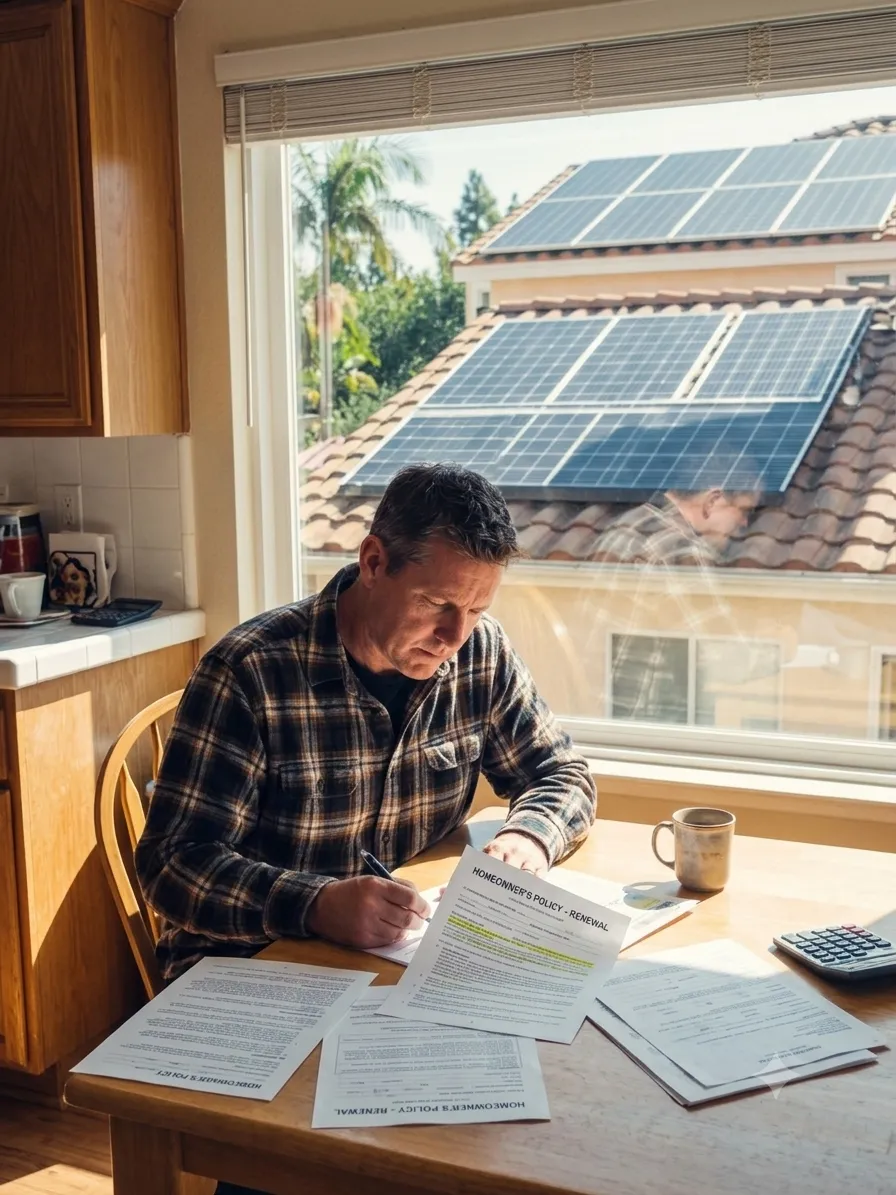

Getting solar panels installed is exciting enough that insurance is usually the last thing on a homeowner’s mind right up until a claim gets denied because nobody called the insurer first. That’s a genuinely avoidable problem, and it starts with understanding how solar panels affect your homeowners insurance.
The short version: your existing policy almost certainly already covers solar panels, but “covered” and “adequately covered” aren’t the same thing, and the gap between them is where homeowners run into trouble.
Table of Contents
The Good News: You Probably Don’t Need a New Policy
Most standard homeowners insurance policies treat rooftop solar panels the same way they treat a chimney, a built-in deck, or a skylight as a permanent attachment to your dwelling. That means your existing dwelling coverage extends to your solar system automatically, without requiring a separate solar-specific policy.
This is true across virtually every major insurer, including Nationwide, Progressive, and the standard policies most regional carriers offer. The catch isn’t whether solar is covered, it’s whether your coverage limit is high enough to actually pay for a full replacement if something goes wrong.
Why Your Premium Might Go Up (And Why That’s Not About Risk)
Here’s the part that surprises a lot of homeowners: insurers generally don’t view solar panels as risky equipment. The premium change, when it happens, comes from a much simpler mechanism.
A typical residential solar system costs $25,000-$35,000 installed in 2026. Adding that to your roof increases your home’s total replacement cost, the amount your insurer would need to pay to rebuild everything if your home were a total loss. If that new, higher replacement cost exceeds your current coverage limit, your insurer will generally recommend raising it, and that’s what actually increases your premium, not the panels being inherently riskier.
Homeowners who raise their coverage limit to account for solar typically see a premium increase of $120-$300 per year, or roughly $10-$25 extra per month. If your existing coverage limit was already generous enough to absorb the added value, your premium may not change at all.
The Detail Most Homeowners Get Wrong
When you talk to your insurer about raising coverage, base the increase on your system’s full installed cost not the price you actually paid after state incentives, rebates, or financing discounts. Insurance payouts are based on full replacement cost, meaning your insurer would need to pay to fully replace the system at today’s prices, regardless of any discount you originally received. If your system cost $30,000 to install before any incentives, your coverage increase should reflect that full $30,000, even if your out-of-pocket cost after rebates was considerably lower.
Roof-Mounted vs. Ground-Mounted: A Real Coverage Gap
This is one of the more commonly overlooked distinctions, and it can leave homeowners genuinely underinsured if missed. Roof-mounted solar panels, permanently attached to your home, typically fall under standard dwelling coverage.
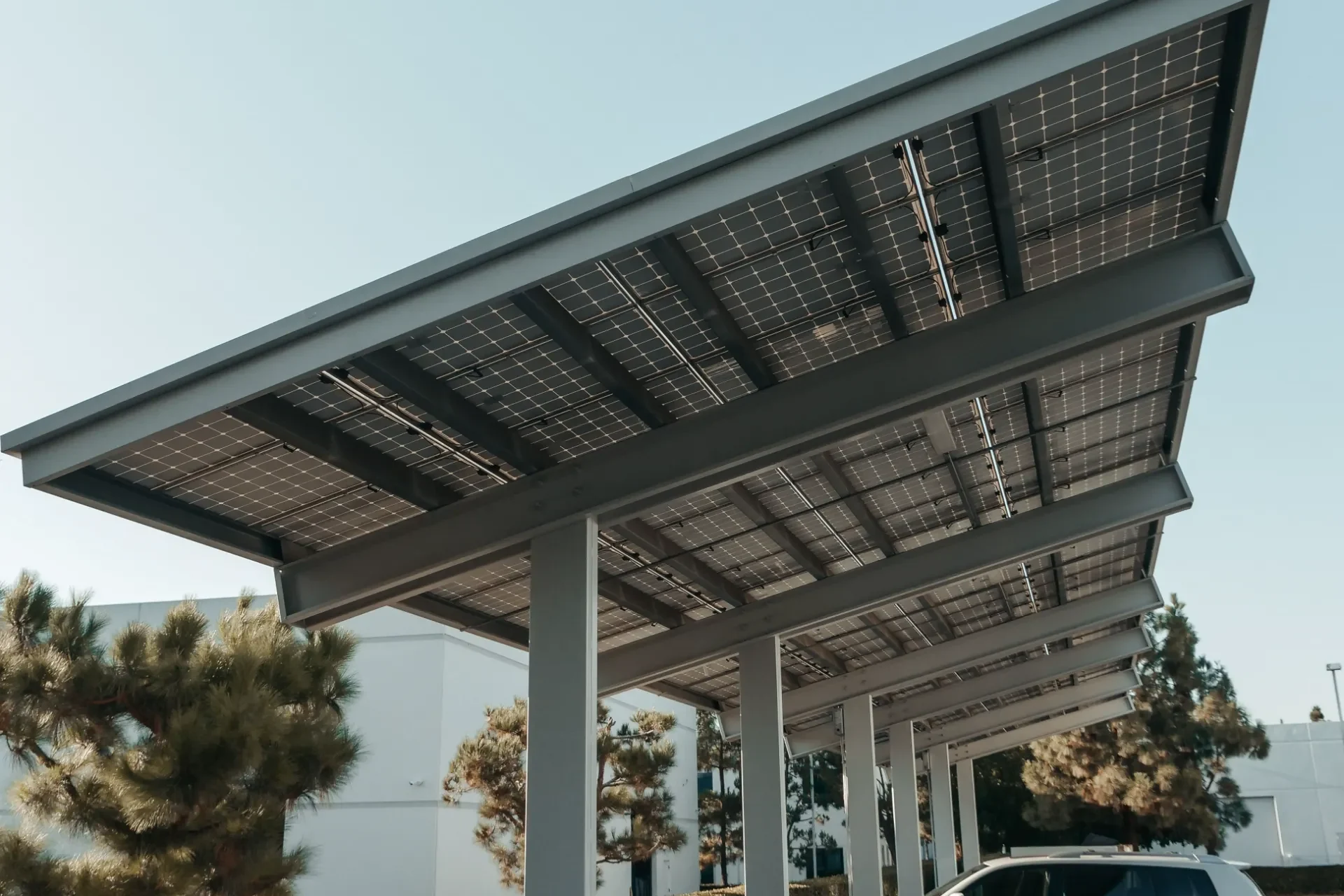
Ground-mounted systems, solar carports or yard-installed arrays not attached to the home itself are a different story. These commonly fall under a policy’s “other structures” coverage instead, the same category that covers a detached garage or a fence. Some insurers cap this category at just 10% of your total dwelling coverage limit, which can be genuinely insufficient to replace a full ground-mounted solar array. If you have or are planning a ground-mounted system, it’s worth specifically asking your insurer whether your “other structures” limit is high enough, rather than assuming it automatically scales with your dwelling coverage.
What Standard Coverage Actually Excludes
Coverage isn’t all-or-nothing, and knowing the specific gaps matters more than a general “yes, it’s covered” answer.
Wind and hail are the most frequently cited exclusions specific to solar equipment, even in policies where wind and hail are otherwise covered for the rest of the home. This is particularly relevant in Mid-Atlantic states where summer hail events are common, and in hurricane-prone regions generally. Flood damage requires separate flood insurance regardless of solar, same as it would for any other part of the home. Routine maintenance and normal wear and tear are never covered under a standard policy, solar or otherwise. And lost energy production the electricity a damaged or underperforming system fails to generate isn’t something homeowners insurance covers at all; that’s a manufacturer warranty or production-guarantee question instead.
Comparison Table: What’s Typically Covered vs. Excluded
| Scenario | Typically Covered | Typically Excluded or Requires Action |
|---|---|---|
| Roof-mounted panels, fire/theft/falling tree damage | Yes, under dwelling coverage | — |
| Roof-mounted panels, wind/hail damage | Varies by insurer | Some policies specifically exclude this for solar |
| Ground-mounted/carport systems | Under “other structures” coverage | May be capped at 10% of dwelling limit |
| Leased solar systems | Usually covered by the leasing company’s policy | Some leases require homeowner coverage, check your contract |
| Lost energy production from damage | Not covered | Check manufacturer production guarantees instead |
| Flood damage | Not covered by standard policy | Requires separate flood insurance |
| Routine maintenance/wear and tear | Not covered | Standard exclusion for any home component |
This table reflects general 2026 industry patterns; always confirm specifics directly with your insurer, since policy language varies significantly by company and state.
What If You Lease Your Solar System?
If you lease your panels or have a Power Purchase Agreement rather than owning the system outright, the insurance picture changes. Since you don’t own the equipment, you typically don’t need to adjust your own coverage limits the leasing company generally carries insurance on the panels themselves, since they remain the legal owner.
That said, some lease agreements specifically require the homeowner to maintain a certain level of coverage or add the leasing company as an additional insured party. It’s worth checking your specific lease contract rather than assuming this doesn’t apply to you.
A Simple Checklist Before and After Installation
Before installation begins, request your solar contract’s total system cost, size, and equipment specifications, and call your insurer to discuss how your coverage will need to change. After installation, formally notify your insurer within 30 days (a timeline several insurers specifically recommend), confirm your updated coverage limit in writing rather than relying on a verbal confirmation, and specifically ask about wind/hail exclusions and, if applicable, your “other structures” limit for any ground-mounted equipment.

Frequently Asked Questions
Usually not. Most standard homeowners insurance policies already cover roof-mounted solar panels as a permanent dwelling attachment. You may need to raise your existing coverage limit, but a separate policy typically isn’t required unless your insurer specifically doesn’t offer adequate coverage for your situation.
Most homeowners who raise their coverage limit to account for solar see an increase of roughly $120-$300 per year, or about $10-$25 per month. If your existing coverage already exceeds your home’s new replacement cost with solar included, your premium may not change at all.
Not always. Some insurers specifically exclude wind and hail damage for solar panels even when those perils are covered elsewhere in the same policy. This is worth confirming directly with your insurer, particularly in hail-prone or hurricane-prone regions.
You risk being underinsured. If your home’s replacement cost increases due to solar but your coverage limit isn’t updated, a total-loss claim may not pay enough to rebuild your home and replace the solar system. Notifying your insurer within 30 days of installation is standard advice across the industry.
No. Ground-mounted or carport-style systems typically fall under a policy’s “other structures” coverage rather than dwelling coverage, and this category is sometimes capped at just 10% of your dwelling limit potentially insufficient for a full system replacement.
Typically no, since the leasing company usually carries insurance on equipment it owns. However, some lease agreements require the homeowner to maintain specific coverage or add the leasing company as an additional insured party, so it’s worth checking your specific contract.
The Bottom Line
Solar panels and homeowners insurance interact in a fairly predictable way: your existing policy almost certainly covers the panels, but your coverage limit needs to reflect the system’s full installed cost, not just what you paid after incentives. The real risk isn’t a denied claim over solar specifically, it’s an outdated coverage limit, an unrecognized wind/hail exclusion, or a ground-mounted system sitting under an insufficient “other structures” cap. A single phone call to your insurer before and after installation resolves nearly all of it.
SOURCES
- EnergySage : “Solar Panels and Home Insurance: A Sunshine Coverage Check”
- NuWatt Energy : “Solar Panels & Homeowners Insurance: 2026 Guide“
- Nationwide : “Does Homeowners Insurance Cover Solar Panels?”
- Progressive : “Does Home Insurance Cover Solar Panels?“
- The Zebra : “Homeowners Insurance and Solar Panels”
- Solar Energy World : “How Solar Affects Your Homeowners Insurance Premium“
DISCLAIMER
PeakGuard Home provides general guidance on home and solar improvement topics based on research and publicly available information. This content is intended for informational purposes only and should not be treated as professional advice. Costs, products, and recommendations may vary based on your location, home, and local codes. Always consult a licensed contractor, electrician, or solar professional before making improvement decisions or starting any project.