
If you’ve ever seen a brown ceiling stain after a heavy storm, you already know how fast a small roof issue turns into an expensive mess. Good roof and gutter maintenance is one of the cheapest ways to protect a home from leaks, mold, fascia rot, siding damage, and even foundation problems. The tricky part is that the damage usually starts quietly: a clogged downspout, a loose flashing seam, or water spilling behind the gutter instead of through it.
For solar installers, this matters too. Roof work around panels, rails, and wire runs can make inspections harder, and poorly planned drainage can shorten the life of both the roof and the solar array. For homeowners, the goal is simple: keep water moving away from the house, not into it.
Table of Contents
Why water damage gets expensive fast
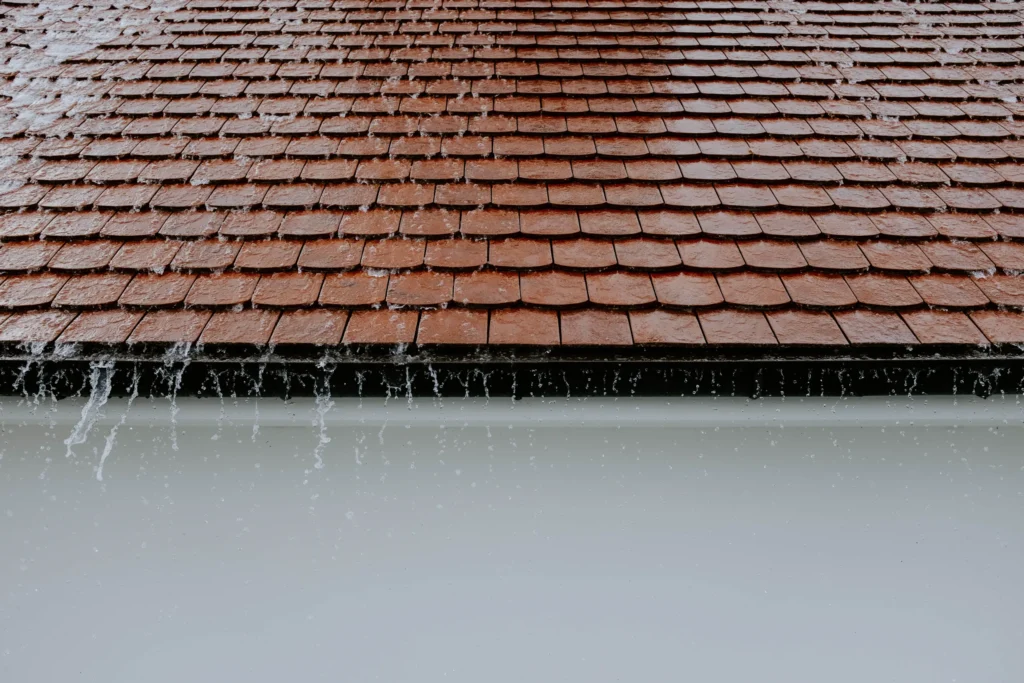
The U.S. Department of Energy’s Building Science Education site says just a few inches of rain on a roof can produce several thousand gallons of runoff, which is why gutters and downspouts need to move water away from the structure quickly. That same source recommends discharging water at least 5 feet from the foundation, because saturated soil can wick moisture back toward the basement or crawlspace.
FEMA’s FloodSmart guidance is blunt: even 1 inch of water in a typical home can cause up to $25,000 of damage. That number is about the lesson, not just the cleanup bill. Water damages drywall, flooring, insulation, cabinets, and anything electrical long before most people notice a roof problem.
The real danger is delay. A leak that starts as a staining issue can become a mold problem, and once materials stay wet long enough, the repair often expands from “fix the source” to “replace the damage.”
What fails first
Gutters and downspouts
Gutters are usually the first thing to clog, especially under oak, pine, maple, or cottonwood trees. Leaves are obvious, but the real clog-makers are small twigs, seed pods, asphalt grit, and shingle debris that packs into elbows and downspout outlets. Once water can’t flow, it spills over the edge, runs behind the fascia, or pools near the foundation.
Flashing and seal points
Roof leaks often start at the weak spots: chimney flashing, skylights, plumbing boots, vent pipes, and roof-to-wall transitions. These are the places where movement, UV exposure, and bad installation show up first. If you are seeing water inside but the shingles look fine from the ground, flashing is a better suspect than the entire roof.
Fascia, soffit, and edges
Overflowing gutters soak the fascia board and the underside of the soffit. That damage often shows up as peeling paint, soft wood, or staining under the eaves. In older homes, this is where a “simple gutter cleaning” becomes a wood repair job.
Attic and insulation
Roof problems are not always visible from outside. If attic insulation gets damp, the home can hold moisture even after the roof dries out. That is how a minor leak turns into odor, mold risk, and higher heating and cooling bills.
A practical maintenance schedule
Spring
Spring is the best time to inspect for winter damage. Check for lifted shingles, cracked sealant, loose gutters, and clogged outlets after freeze-thaw cycles. If ice dams were an issue, pay special attention to the lower roof edge and any staining around exterior walls.
Summer
Summer is when you verify drainage. Run water through gutters with a hose and watch the flow at each downspout. If water backs up at an elbow, the line may be partially blocked even if the gutter trough looks clean.
Fall
Fall is the biggest gutter season for most U.S. homes. Clean the gutters after most of the leaves are down, not before, or you will be back on the ladder again in two weeks. Trim branches that hang over the roof while you can still see where they land.
After storms
After heavy wind, hail, or a major rain event, do a quick visual check from the ground. Look for loose shingles, crooked gutters, detached downspouts, and water streaks that weren’t there before. FEMA specifically advises periodic roof inspections after heavy winds and regular cleaning of gutters and drains to prevent backups.
Tools and products that actually help
A lot of maintenance failures happen because the right job gets done with the wrong tool. A pressure washer is a bad idea on shingles and often too aggressive for gutters. A better kit is simple: ladder stabilizer, gloves, a gutter scoop, a hose with a spray nozzle, a bucket or tarp, and a small hand trowel for packed debris.
For long-term prevention, gutter guards can help, but they are not a set-and-forget solution. They reduce the amount of debris that enters the system, yet fine material still accumulates over time, especially where roof valleys dump water and shingle grit into one spot. If a system already overflows in heavy rain, guards will not fix bad slope, undersized downspouts, or a poorly designed drainage path.
For downspout extensions, basic splash blocks work for small runoff, but rigid or flexible extensions are better when the soil near the home stays wet. The DOE guidance is clear that discharge distance matters, and that runoff should be routed away from the foundation rather than left to soak in.
Solar panels change the maintenance plan
Solar doesn’t cause roof leaks by itself, but it can make roof and gutter maintenance more awkward. Rails can block fast access to shingles, bird debris can collect behind panel edges, and wiring can create new places where water should be checked carefully. On a roof with panels, a rushed gutter job can also snag conduit or damage a flashed mount.
That is why solar crews should coordinate roof checks with the homeowner’s roof maintenance calendar. If a roof is already near replacement age, it is usually smarter to replace the roof first and reinstall the array later than to keep paying for partial work around aging shingles. One practical rule: if a solar roof edge makes gutter cleaning unsafe or incomplete, the system design needs to be reviewed, not the maintenance skipped.
A real-world example: a ranch home with panels on the south slope may still have a clogged north-side gutter because that’s where maple leaves collect. The panel side looks fine, but the overflow is rotting fascia on the shaded back elevation. Another example: a townhouse with a shared downspout may send water into a neighbor’s side yard if an extension was removed after landscaping work. In both cases, the problem is not the roof surface alone; it is water management.

Cost reality: small maintenance vs. repair
| Item | Typical cost range | Notes |
|---|---|---|
| Water damage restoration | $450 to $16,000 | Angi’s 2026 data; average about $3,869. angi |
| Roof repair | $400 to $2,000 | Angi’s 2026 data; average around $1,100. angi |
| Downspout extension | Estimated $10 to $50 per basic extension | Common hardware-store pricing varies by material and length; use local pricing before publishing as a hard figure. |
| Gutter cleaning | Estimated $100 to $250 for many U.S. homes | Varies heavily by roof height, linear footage, and debris load; get local quotes. |
The table makes the point without drama: cleaning and inspection cost a lot less than water restoration. Even the lower end of restoration can jump quickly once drywall, insulation, flooring, or mold remediation enters the picture. The expensive part is rarely the leak itself; it is the delay.
What to look for during inspection
Outside the house
Walk the perimeter after a rain and look for erosion trenches, puddles near the foundation, splashing at the base of the wall, and staining on siding or brick. Check whether the downspouts actually send water away from the home or just dump it next to the slab. If a splash block has shifted or sunk into the soil, it is not doing its job.
On the ladder
Look for loose hangers, sagging sections, seams that drip, standing water in the trough, and rust around fasteners. If the gutter is full of dark grit, that can signal shingle wear, not just tree debris. If one section keeps clogging, there may be a roof valley dumping too much water into one spot.
In the attic
Use a flashlight and check for darkened sheathing, rusted nails, wet insulation, and musty smells. The attic often reveals the leak pattern before the living space does. If you see daylight at a penetration or stained plywood around a vent, that needs attention even if the ceiling below still looks fine.
FAQ
Most homes do well with at least two cleanings a year, usually spring and fall, but homes under heavy tree cover may need more frequent service. If your gutters overflow in a normal rain, don’t wait for the next season. A single clog can redirect a lot of water where it doesn’t belong.
Ignoring downspout drainage is probably the most common mistake. People clean the troughs but forget that the water still has to leave the property safely. If a downspout ends at the foundation, the system is only half-working.
Sometimes, yes, but they are not magic. They can reduce cleanings and help with larger debris, but they do not eliminate maintenance or fix poor gutter slope. If your gutters already overflow, fix the design and drainage first.
If the leak is near a chimney, skylight, vent, or wall intersection, flashing is a strong suspect. If the leak appears after wind-driven rain and shows up in multiple spots, shingles or underlayment may be involved. An attic check after rain usually gives the clearest clues.
Yes, mostly by limiting access. Panels can hide damage, collect debris, and make cleaning more awkward around edges and penetrations. That is why solar and roof inspections should be coordinated, especially on aging roofs.
A musty smell, ceiling stain, soft drywall, or peeling paint are all early warning signs. If you catch any of those, look for the source right away instead of repainting over them. Covering the stain without fixing the leak usually makes the repair more expensive later.
Conclusion
Roof leaks almost never start as disasters, but they get expensive when they are ignored. A simple routine of cleaning gutters, checking downspouts, inspecting flashing, and watching drainage after storms will prevent a lot of the damage that shows up in ceilings, crawlspaces, and basements later. If you own solar panels, build those checks into your panel service schedule so the roof and water paths are reviewed together. The best time to fix water damage is before you can see it indoors.
Sources
- U.S. Department of Energy, Building Science Education : “stormwater gutters/downspouts and foundation drainage“.
- FEMA FloodSmart : “homeowner water-damage prevention guidance and inspection reminders“.
- Angi : “2026 water-damage restoration cost data and roof repair cost data“.
DISCLAIMER
PeakGuard Home provides general guidance on home and solar improvement topics based on research and publicly available information. This content is intended for informational purposes only and should not be treated as professional advice. Costs, products, and recommendations may vary based on your location, home, and local codes. Always consult a licensed contractor, electrician, or solar professional before making improvement decisions or starting any project.