

More than 59 million Americans currently share a home across multiple generations aging parents, adult kids, grandkids, or some combination of all three under one roof. That’s not a small, temporary trend: a quarter of Americans ages 25-34 lived in a multigenerational household in 2021, up from just 9% in 1971.
The challenge is that most American homes weren’t built for this. Nationally, only 23% of homes have four or more bedrooms, and just 30% include a basement the two features that make shared living meaningfully easier. That gap is exactly why multi-generation home remodeling ideas have become such a common search, and why getting the right upgrades matters more than picking flashy ones.
Here’s what genuinely helps, what it actually costs, and where the real tradeoffs are.
Table of Contents
Why This Is Happening Now
The financial angle is the biggest driver by far. Two-thirds of people in multigenerational households cite financial reasons for the arrangement, and it’s not hard to see why pooling incomes makes homeownership realistic in a way it often isn’t for a single household alone in today’s market.
It’s not purely financial, either. As the share of Americans 65 and older keeps growing, more families are choosing to have aging parents nearby instead of in assisted living, and multigenerational households report meaningfully lower reliance on paid child care as a result. Despite the real friction that comes with shared living 62% cite lack of privacy as a genuine challenge, and 46% cite differing lifestyles 95% of people currently living this way describe their household as functioning successfully. The friction is real, but so is the fact that most people make it work.
Creating Real Privacy: What It Actually Costs
Privacy is consistently the biggest challenge multigenerational households report, and only 3 in 10 currently have separate living areas for different generations. That gap is where remodeling has the most obvious payoff.
Garage Conversions: The More Affordable Option
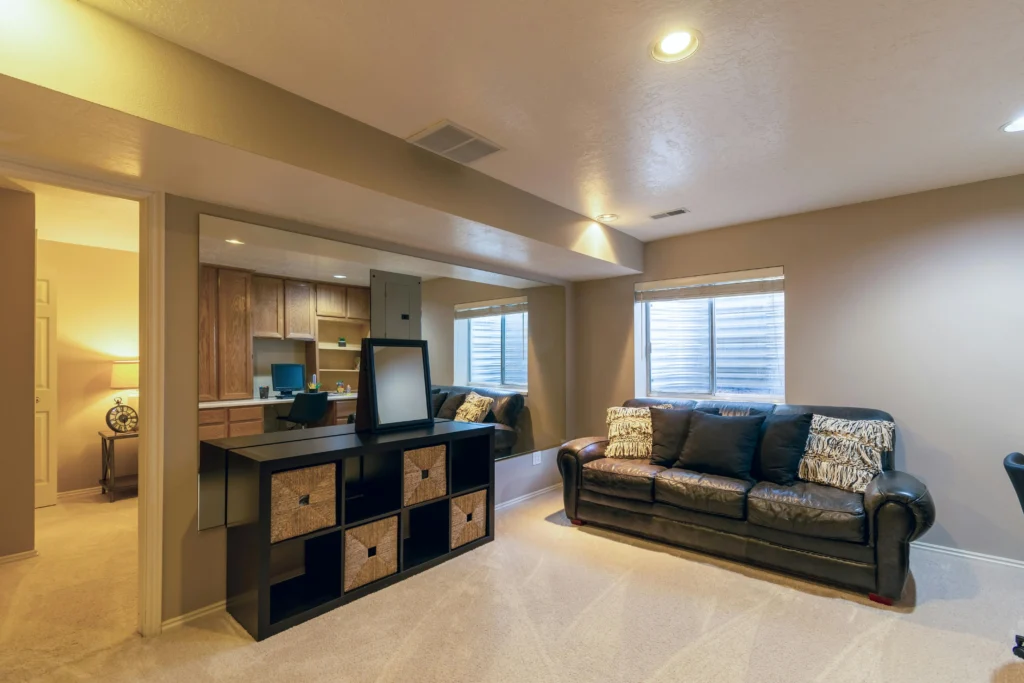
A basic garage conversion into livable space without a kitchen or bathroom, think a bedroom, office, or den costs a national average of about $16,455, typically landing between $6,007 and $27,374 depending on garage size and finish level.
The math changes substantially if you want a full, independent living unit with its own kitchen and bathroom (technically an Accessory Dwelling Unit, or ADU). That kind of conversion commonly runs $60,000 to $150,000 or more, with costs climbing fastest in higher-cost states like California, where a two-car garage ADU conversion can run $100,000-$160,000 once plumbing, electrical, and permitting are factored in.
That’s a genuinely large cost gap, and it’s worth being upfront about it: a simple, comfortable private room is a realistic weekend-to-a-few-weeks project. A fully independent apartment with its own kitchen and bathroom is a major construction project requiring permits, an architect or structural engineer in many jurisdictions, and months of work.
Basement Conversions and Separate Entrances
Basement conversions follow similar economics costs scale up quickly once plumbing and a kitchenette get added, but a basic finished basement room without those additions is far more affordable. If a basement or garage conversion isn’t feasible, even a separate entrance alone (not a full new living unit, just a private way in and out of an existing bedroom or suite) meaningfully improves the daily friction of coming and going without disturbing the rest of the household.
Accessibility Upgrades: Worth Doing Before They’re Needed
If aging parents or grandparents are part of the household, accessibility upgrades are worth planning before mobility becomes a daily problem, not after.
Walk-in showers with low-threshold entry, grab bars, wider doorways, and comfort-height toilets are the standard aging-in-place upgrades, and they don’t have to make a bathroom feel clinical, modern walk-in shower kits are designed to look like a standard high-end bathroom while still meeting accessibility needs. A main-floor bedroom, where the floor plan allows it, is one of the upgrades homeowners most consistently say they wish they’d done earlier, since stairs become a genuine daily obstacle well before most families plan for it.

Comparison Table: Cost and Impact by Upgrade Type
| Upgrade | Typical Cost Range | Privacy/Accessibility Impact | Best For |
|---|---|---|---|
| Basic garage conversion (no plumbing) | $6,000–$27,000 | High for privacy | Home office, bedroom, den |
| Full garage-to-ADU conversion | $60,000–$150,000+ | Highest (full independence) | Aging parents, adult children, rental income |
| Walk-in shower/accessibility bathroom | $5,000–$15,000 (typical range) | High for safety | Aging-in-place planning |
| Soundproofing (doors, panels, rugs) | $500–$3,000 | Medium | Shared-wall noise issues |
| Main-floor bedroom conversion | Varies by existing layout | High for aging parents | Reducing stair use |
| Smart home safety features | $200–$800 for a basic setup | Medium | Safety and convenience for all ages |
This table reflects 2026 national average pricing; ADU-specific costs in particular vary enormously by state, with California running significantly above the national average.
Shared Spaces Matter Just as Much as Private Ones
It’s easy to focus entirely on private spaces and forget that common areas carry just as much of the daily friction in a shared household. An open-concept kitchen genuinely helps larger households better sightlines for supervising kids, more usable counter space during a full house dinner, less of the “everyone’s in the way” feeling that cramped galley kitchens create.
Flexible living rooms a quiet reading corner here, a TV zone there, a small workspace tucked into a corner let multiple generations use the same room without constantly competing for it. This doesn’t require a full renovation; often it’s a furniture and layout change more than a construction project.
Soundproofing: The Upgrade People Underestimate
Different generations genuinely keep different schedules, and noise is one of the most common sources of daily tension in a shared home that nobody plans for in advance.
Solid-core interior doors, thick rugs, heavy curtains, and acoustic panels on shared walls are relatively inexpensive compared to almost anything else on this list, typically a few hundred to a few thousand dollars depending on scope, and they address a problem that otherwise causes ongoing friction every single day.
Smart Home Features That Genuinely Help
Motion-sensor lighting in hallways, video doorbells, and smart locks are useful for any household, but they carry extra value in a multigenerational one especially for older adults navigating a house at night, or for households where different people are coming and going on different schedules. These upgrades are also some of the most affordable on this list, often $200-$800 for a basic setup covering a few key areas.
Frequently Asked Questions
Based on what households report struggling with most, privacy upgrades (separate living spaces or entrances), accessibility features for aging family members, and soundproofing tend to deliver the most day-to-day improvement relative to their cost.
A basic conversion without plumbing averages about $16,455 nationally ($6,007-$27,374). A full conversion into an independent unit with a kitchen and bathroom (an ADU) typically runs $60,000-$150,000 or more, varying significantly by state.
It’s genuinely common and growing. More than 59 million Americans currently live in multigenerational households, and 17% of 2025 homebuyers purchased a home specifically for this purpose.
Lack of privacy, cited by 62% of people in these households, followed by differing lifestyles and schedules (46%) and difficulty establishing clear boundaries (34%).
Yes 95% of people currently living in multigenerational households describe their household as functioning successfully, despite the real challenges involved.
Generally, yes. Homeowners consistently report wishing they’d made accessibility upgrades like walk-in showers or main-floor bedrooms before mobility became a daily issue, since retrofitting during a health crisis is more stressful and often more expensive than planning ahead.
A garage conversion is typically 30-50% more affordable than a new addition of the same size, since the existing foundation, walls, and roof are already in place. An addition may make more sense only if you need significantly more square footage than an existing garage or basement footprint allows.
The Bottom Line
Multi-generation home remodeling ideas that actually deliver results tend to be the ones addressing privacy, accessibility, and noise not necessarily the most expensive or visually dramatic projects. A basic garage or basement conversion for private space, accessibility upgrades planned ahead of need, and relatively inexpensive soundproofing consistently address what households report as their real day-to-day friction points. Start with whichever of these is causing the most tension in your household right now, price it out realistically using the ranges above, and build from there rather than trying to solve everything in one renovation.
SOURCES
- Pew Research Center : “The Demographics of Multigenerational Households“
- Pew Research Center : “Multigenerational living is growing fastest among young Americans”
- HouseCanary : “2026 Multigenerational Living Index: Best States For Shared Family Households”
- Lombardo Homes (Digital Third Coast survey) : “New Survey Sheds Light on Multigenerational Living Trends and Dynamics”
- Angi : “How Much Does a Garage Conversion Cost? [2026 Data]”
- GatherADU : “Garage Conversion Cost Guide for 2026: Complete Pricing”
DISCLAIMER
PeakGuard Home provides general guidance on home and solar improvement topics based on research and publicly available information. This content is intended for informational purposes only and should not be treated as professional advice. Costs, products, and recommendations may vary based on your location, home, and local codes. Always consult a licensed contractor, electrician, or solar professional before making improvement decisions or starting any project.