
Getting a solar quote is exciting, right up until an installer asks how old your roof is. That question isn’t small talk, it’s one of the most financially important parts of the entire solar decision, and it’s the one homeowners most often skip.
The honest answer to new roof before going solar depends entirely on your roof’s remaining life, not just its age. Get this timing wrong, and you could pay thousands of dollars to remove and reinstall a working solar system just a few years after installing it. Here’s a real checklist for figuring out where you stand.
Table of Contents
Why This Decision Matters More Than It Seems
Solar panels are built to last 25-30 years, and most still produce around 80% of their original output at the 25-year mark. Asphalt shingle roofs, the most common roofing material in the US, typically last 20-30 years. Those numbers are close enough that if your roof is already partway through its life when you install solar, there’s a real chance you’ll need a roof replacement while the panels are still sitting on top of it.
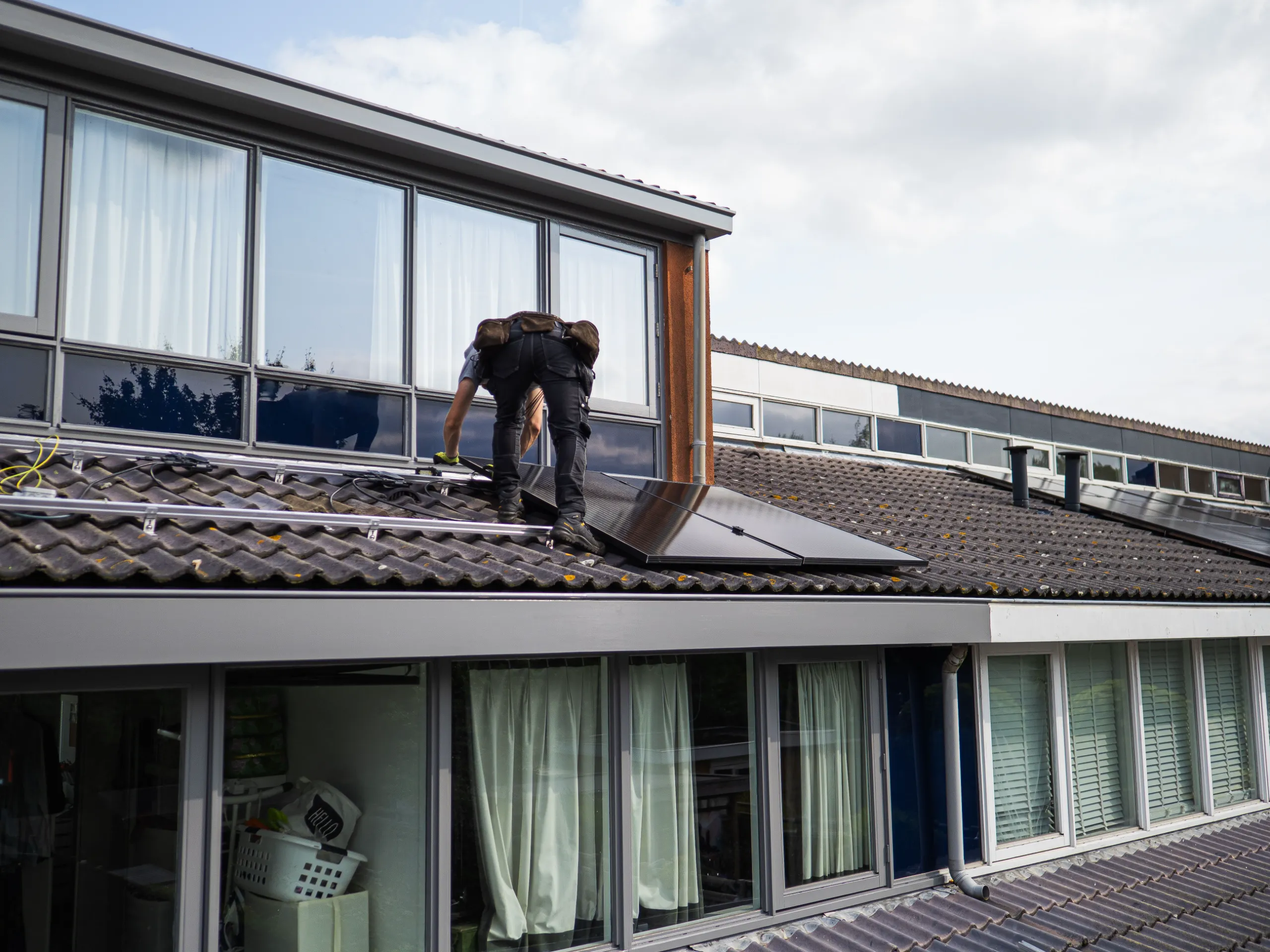
That’s the entire problem in one sentence: solar panels have to come off before a roof can be replaced, and putting them back on afterward isn’t free.
The Checklist: Is Your Roof Ready for Solar?
Work through these in order each one narrows down whether you should install solar now, replace the roof first, or get a professional opinion before deciding either way.
1. How old is your roof, and what’s it made of? Asphalt shingles: 20-30 year total lifespan. Metal (standing seam): 40-70 years. Clay or concrete tile: 50-100 years. Wood shakes: variable, and often restricted for solar installation by local fire code.
2. How many years of remaining life does it actually have? This is different from age alone a well-maintained 12-year-old roof in a mild climate may have more life left than a 12-year-old roof that’s weathered harsh sun or coastal salt air. A professional roofing inspection, not a guess, is the only reliable way to answer this.
3. Are there visible warning signs? Missing, cracked, or curling shingles, granule loss showing up in your gutters, a sagging roof deck, active leaks, or damaged flashing are all signals that push toward replacement regardless of the roof’s technical age.
4. Can your roof structure support the added weight? Solar panels add roughly 3-5 pounds per square foot. Your decking and rafters need to support this, which a structural assessment (usually included in a solar installer’s site evaluation) will confirm.
5. Does your roof face the right direction and pitch? South-facing slopes with a 15-40 degree pitch and minimal shading from trees or chimneys produce the best results, this doesn’t affect the replace-or-not decision directly, but it’s worth confirming your roof is even a good solar candidate before spending money either way.
The Real Cost of Getting the Timing Wrong
This is where the decision becomes a genuine dollars-and-cents question rather than a guess.
Removing and reinstalling a solar array for a later roof replacement typically costs $200-$500 per panel for removal, plus another $125-$350 per panel for reinstallation. For a standard 15-30 panel residential system, that adds up to roughly $2,800-$10,000 on top of the roof replacement itself, and excluding any lost energy production while the system sits offline for what’s typically a multi-day process.
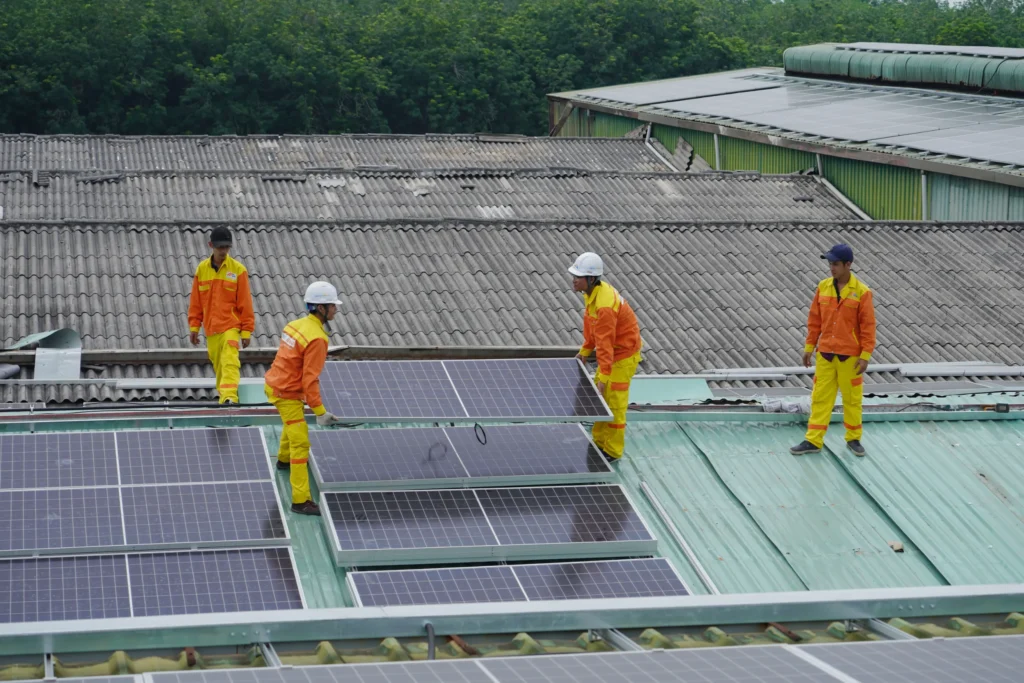
The U.S. Department of Energy specifically flags this as an avoidable expense, noting that bundling a roof replacement with a solar installation saves an average of about $4,000 compared to doing the two projects separately, since permits, scaffolding, and site mobilization costs are shared rather than duplicated.
Roofing Material: Not All Roofs Face This Problem Equally
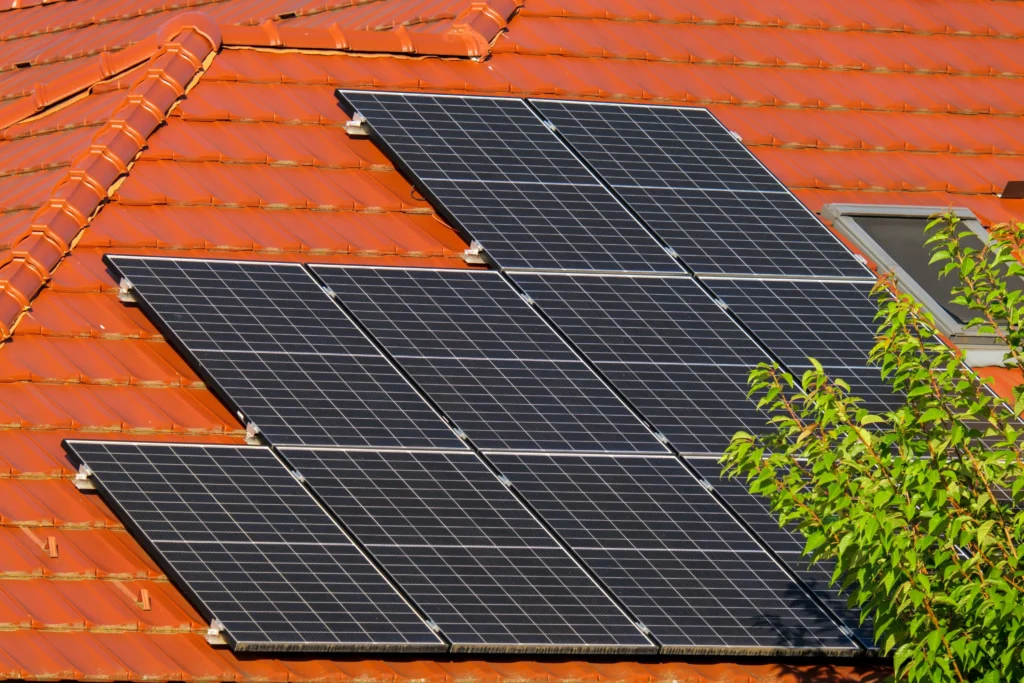
The remove-and-reinstall risk applies mainly to asphalt shingle roofs, since their lifespan is closest to a solar system’s. Other materials change the calculation significantly.
Metal roofs, particularly standing seam metal, are considered close to ideal for solar. Their 40-70 year lifespan easily outlasts a 25-year solar warranty, and standing seam systems allow clamp-on mounting hardware that requires zero penetrations through the roof surface meaning no new holes, and no new potential leak points. Clay or concrete tile roofs last even longer, 50-100 years, though the tiles themselves are more fragile and require specialized (often costlier) mounting techniques. Wood shake roofs face a different issue entirely: many jurisdictions restrict solar installation on them due to fire code concerns, independent of the roof’s actual condition or age.
Comparison Table: Roofing Material and Solar Compatibility
| Roof Material | Typical Lifespan | Solar Compatibility | Key Consideration |
|---|---|---|---|
| Asphalt shingles | 20–30 years | Good, if roof has 15-20+ years remaining | Most common material; also the most likely to need mid-lifespan replacement |
| Standing seam metal | 40–70 years | Excellent | Clamp-on mounting avoids roof penetrations entirely |
| Clay or concrete tile | 50–100 years | Good, with caveats | Outlasts panels easily; installation requires specialized, often costlier techniques |
| Wood shakes | Variable | Often restricted | Many local fire codes limit or prohibit solar installation |
This table reflects general industry lifespan data; always confirm your specific roof’s condition and local code requirements with a licensed roofing professional before proceeding.
A Simple Decision Framework
Based on remaining roof life specifically (not just age), most professional guidance converges on a similar framework, even though the exact year cutoffs vary slightly by source:
20+ years of remaining life: Generally safe to install solar without replacing the roof first.
10-20 years of remaining life: This is the genuinely tricky middle zone. A professional inspection is worth the cost here, since the right call depends on specific condition, not just the number of years.
Fewer than 10 years of remaining life, or visible damage: Replace the roof first, or bundle the replacement with the solar installation. At this point, installing solar without addressing the roof is very likely to cost more in the long run than doing both projects together now.
What Happens If You Install Anyway on an Aging Roof
Some installers will proceed on a questionable roof if a homeowner insists, but it’s worth understanding what that decision actually means. Your roofing manufacturer’s warranty may not cover the areas under the panels once solar hardware is attached. Your solar installer’s own workmanship warranty, typically around 10 years, becomes your main protection instead of the roof manufacturer’s typically longer coverage. And when the roof eventually does need replacement, you’ll face the full removal-and-reinstallation cost on top of the new roof itself, plus days without solar production during the work.
There’s also a quieter effect worth knowing: the shingles directly under solar panels get shielded from UV radiation and hail, meaning they can actually last longer than the exposed portions of the same roof. That’s a genuine benefit, but it also means a roof under solar panels can age unevenly, with covered and exposed sections wearing at different rates over time.
Frequently Asked Questions
Most guidance suggests replacing an asphalt shingle roof before solar if it’s already over 10-15 years old, or has fewer than 15-20 years of remaining life. The exact cutoff varies by source and roof condition, which is why a professional inspection matters more than relying on age alone.
Typically $200-$500 per panel for removal plus $125-$350 per panel for reinstallation, totaling roughly $2,800-$10,000 for a standard 15-30 panel system, not including the roof replacement itself or lost production during the work.
Generally yes. The U.S. Department of Energy notes that bundling both projects saves an average of about $4,000 compared to doing them separately, since permits, scaffolding, and site mobilization costs are shared rather than duplicated.
Usually not, if they’re in reasonably good condition. Standing seam metal roofs (40-70 year lifespan) and tile roofs (50-100 years) generally outlast solar panels, making them strong candidates for solar without a prior roof replacement.
Often not, or only with restrictions. Many local jurisdictions limit or prohibit solar installation on wood shake roofs due to fire code concerns, separate from the roof’s actual age or condition.
Generally no. Standard roof replacement costs are not covered by federal solar tax incentives, though specific structural components integrated with the solar system, or solar shingle products, may qualify in some cases — it’s worth confirming your specific situation with a tax professional rather than assuming either way.
The Bottom Line
The real question isn’t your roof’s age alone, it’s how many years of usable life remain, confirmed by a professional inspection rather than a guess. If you have 20+ years left, solar now is usually fine. If you’re under 10-15 years, or seeing real warning signs, bundling a roof replacement with your solar installation is very likely the more cost-effective path, saving the DOE’s estimated $4,000 in combined-project costs and avoiding a multi-thousand-dollar remove-and-reinstall bill somewhere in the middle of your system’s life. When in doubt, get the roof evaluated before you get the solar quote, not after.
SOURCES
- SolarFY : “Solar Before Roof Replacement: Should You Wait? (2026)“
- ConsumerAffairs : “Should You Replace Your Roof Before Going Solar? (2026)”
- SquareDash : “Solar Panels and Roof Replacement: Timing (2026)”
- NuWatt Energy : “Roof Replacement vs Solar: When to Do What (Decision Guide)“
- Exspenditure : “Should I Replace My Roof Before Installing Solar Panels?“
- A1 SolarStore : “Solar Panel Removal Cost Guide 2026: $200-$500 Per Panel“
DISCLAIMER
PeakGuard Home provides general guidance on home and solar improvement topics based on research and publicly available information. This content is intended for informational purposes only and should not be treated as professional advice. Costs, products, and recommendations may vary based on your location, home, and local codes. Always consult a licensed contractor, electrician, or solar professional before making improvement decisions or starting any project.