
Solar panel cleaning frequency is not one-size-fits-all, and that is where a lot of homeowners get tripped up. A system in Phoenix, a house near the Atlantic coast, and a suburban roof under heavy spring pollen do not need the same maintenance rhythm.
The practical answer is simple: clean based on what is landing on the panels, not on a fixed calendar alone. In dusty desert areas, that can mean several cleanings a year; in coastal zones, salt buildup changes the game; and in high-pollen regions, spring can matter more than the rest of the year combined.
Table of Contents
Why climate matters
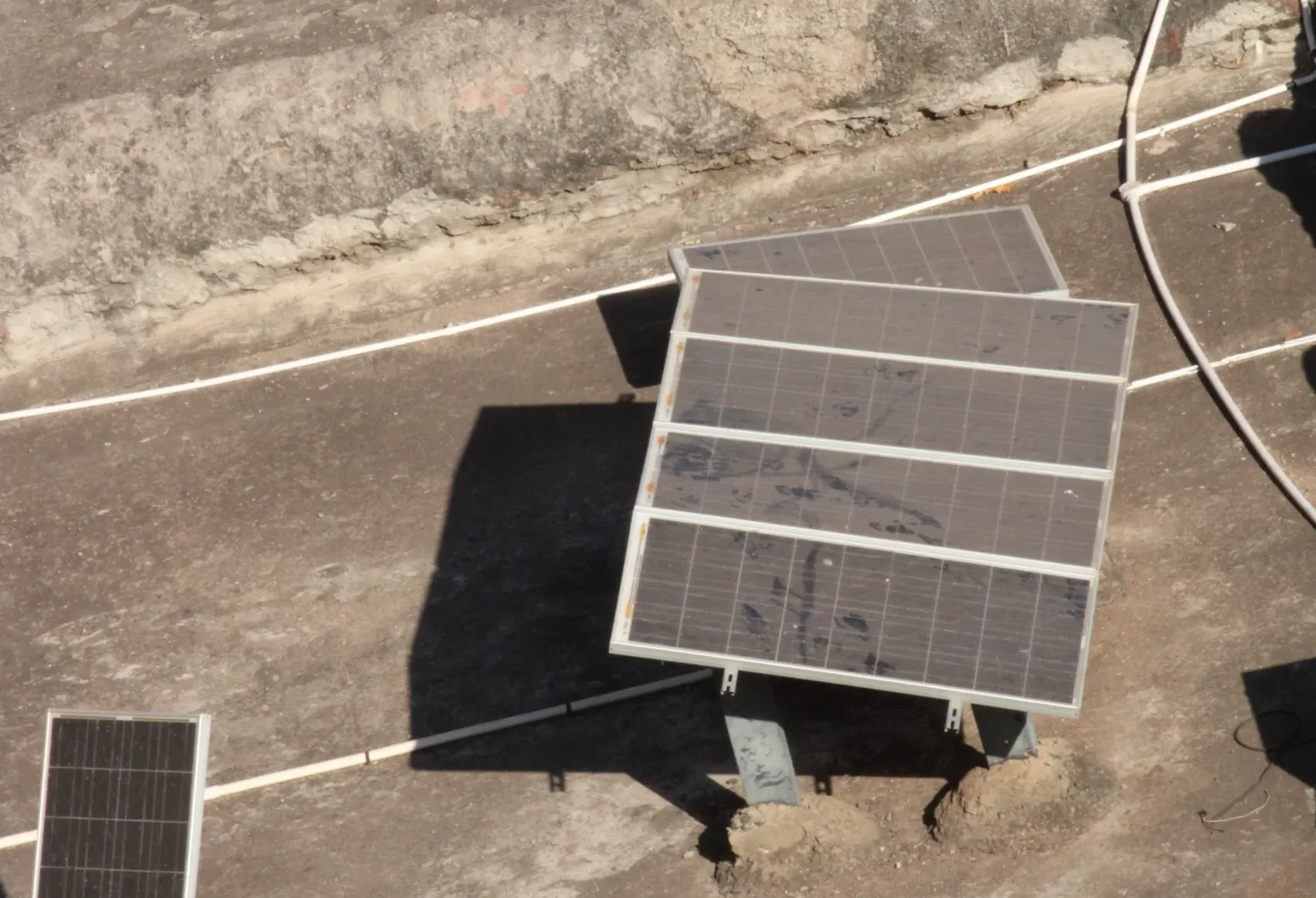
Soiling is the broad term for dust, pollen, bird droppings, salt residue, and other debris that blocks sunlight from reaching the solar cells. The amount of performance loss depends on how fast that buildup happens and whether rain actually removes it.
NREL’s research on pollen is useful because it shows how misleading “rain will take care of it” can be. In North Carolina, researchers saw performance losses up to 15% during peak pollen season, and cleaning improved output by 5% to 11%. That is not a small dip; on a household array, it can mean a noticeable drop in daily production exactly when spring solar potential should be strong.
The smarter way to think about maintenance is to combine climate, roof access, tilt angle, and local dirt sources. A panel on a steep roof with regular rain may stay cleaner than a flat array near a construction site, even if both are in the same city.
Desert climates
Desert environments are usually the most demanding for cleaning because dust settles fast and rain is too infrequent to reset the panels. If you live in the Southwest or another dry, windy area, a twice-a-year schedule is often too light for rooftop systems that collect visible dust between storms.
For many homes in dusty areas, a good starting point is every 2 to 4 months, then adjusting after monsoon season, wind events, nearby road work, or long dry stretches. If your panels sit flat or have a low tilt, the interval can shrink further because debris does not slide off as easily.
A useful habit in desert climates is to check production on the inverter app before you schedule a wash. If generation is sliding while skies are clear and your neighbors’ systems look normal, the panels may simply need cleaning. This is especially helpful for homeowners who do not want to clean on a fixed date unless there is a real payoff.
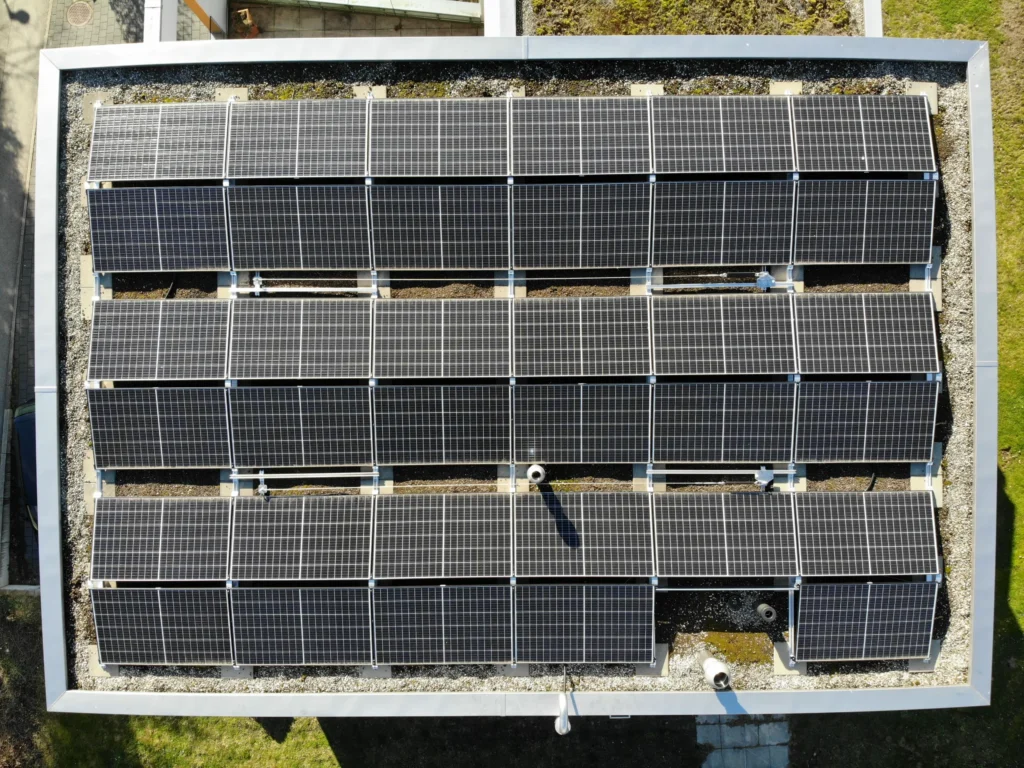
What desert owners should watch
- Fine dust films that are hard to see from the ground.
- Streaks after a windy day or dust storm.
- Lower morning production if panels are visibly hazy.
- A roof that gets almost no rainfall for weeks or months.
Coastal climates
Coastal systems face a different problem: not just dirt, but salt residue and humid grime. Salt spray can cling to glass surfaces, and humid air can make that residue harder to rinse away naturally.
For homes close to the ocean, every 1 to 3 months is a practical range, especially if the property gets salt mist or sea breeze directly. Systems a few miles inland may need less frequent care, but you should still treat coastal exposure as more aggressive than inland suburban air.
A roof in San Diego and a roof a block from the water are not equal. The second one may need attention because salt does not always look dramatic, but it can create a dull film that slowly reduces output. In practice, coastal homeowners often notice that a light rinse helps more than a heavy scrub, because the problem is usually film buildup rather than thick debris.
High-pollen regions
High-pollen areas are tricky because the panels may look “not that dirty” while still performing below normal. NREL’s North Carolina study is the clearest reminder: rain did not fully clean the pollen off the panels, and performance losses reached up to 15% at peak season.
If your home is surrounded by pine, oak, juniper, or other heavy pollen sources, spring cleaning may matter more than summer or winter cleaning. A good rule is to inspect weekly during peak pollen season and clean when you see visible yellow-green buildup or a drop in output that tracks with the pollen surge.
These homes often do best with one targeted cleaning in spring, plus an additional check after major pollen events. The schedule is less about a fixed month and more about how intense the season is where you live. In some neighborhoods, pollen is a short annoyance; in others, it is the main maintenance event of the year.
Signs pollen is the issue
- Yellow dust collecting along the lower panel edges.
- Output dips during a period when weather is otherwise ideal.
- Nearby cars, windows, and patio furniture also show powdery buildup.
- Rain leaves streaks but does not restore full output.
Climate-by-climate schedule
| Climate / setting | Typical cleaning interval | Main buildup | Estimated risk if ignored | Notes |
|---|---|---|---|---|
| Desert / dusty inland | Every 2–4 months | Dust, sand, windblown soil | Moderate to high production loss between rains | Shorter intervals after dust storms or nearby construction |
| Coastal / salt air | Every 1–3 months | Salt film, humidity grime | Moderate loss, especially on low-tilt roofs | Direct ocean exposure usually needs more attention |
| High-pollen / tree-heavy | Weekly inspection in season; clean as needed, often 1–2 times in spring | Pollen coating | Can be high during peak bloom, with losses up to 15% in some cases nrel | Rain may help, but may not fully clean panels nrel |
| Mild inland / regular rain | Every 6–12 months | Light dust, bird droppings | Lower, but not zero | Still inspect after dry spells or storms |
This table is best treated as a starting point, not a promise. The exact schedule should move with roof pitch, local weather, and how quickly your system’s production changes after a dirty spell.
When to clean
Cleaning is worth doing when you can see buildup, when output drops for no obvious reason, or when your climate has just gone through a known dust or pollen event. If you have monitoring software, compare current production to similar sunny days from the previous month, not just to yesterday.
Here are the moments that usually justify action:
- After a dust storm or construction-heavy week.
- During or right after peak pollen season.
- After several dry weeks in a desert climate.
- When salt haze is visible on coastal panels.
- When the inverter shows a steady, unexplained output dip.
One practical example: a homeowner in inland Arizona may not need monthly cleaning in winter, but after a wind event that coats the array in a fine film, waiting three more months is probably costing money. Another example: a house near the New Jersey shore may need a gentle rinse more often than a similar system 15 miles inland because salt residue behaves differently from ordinary dirt. A third example: in a tree-heavy North Carolina neighborhood, spring pollen can justify a cleaning even if the panels got rained on twice.
DIY or pro cleaning
Most residential owners can handle light cleaning if the roof is safe, the panels are accessible, and the warranty allows it. A soft brush, deionized or clean water, and a gentle hose rinse are usually safer than harsh tools or abrasive scrubbing.
Professional cleaning makes more sense when the roof is steep, the array is hard to reach, or the panels are heavily soiled. It also helps when the homeowner wants a documented maintenance record for warranty or performance tracking. The real decision point is not just cost; it is risk. A cheap cleaning is not worth it if it risks a fall or scratches the glass.
Common mistakes
People often clean too late, use the wrong tools, or assume rain has done the job. In practice, that means they leave performance on the table for weeks or months.
Avoid these mistakes:
- Using abrasive pads or strong detergents.
- Cleaning in direct midday heat, which can dry water too fast.
- Standing on the roof without proper safety gear.
- Ignoring a monitoring app that clearly shows a decline.
- Treating every climate the same.
The most common mistake is probably the simplest one: setting a calendar reminder and never revisiting it. Solar maintenance works better when you adjust it to actual conditions.
Frequently Asked Questions
There is no universal answer, because solar panel cleaning frequency depends on climate and local buildup. Desert homes often need cleaning every 2 to 4 months, coastal homes every 1 to 3 months, and high-pollen homes may need targeted spring cleaning and inspection during peak season.
Sometimes rain helps, but it is not a full solution. NREL found that rain was not enough to fully remove pollen from panels in North Carolina, and the panels did not return to pre-cleaned performance levels after rainfall.
Not really. Some dirt sheds off with rain and tilt, but dust, pollen, and salt film can still stick to the glass. The steeper the roof and the cleaner the climate, the less often you may need to intervene, but “self-cleaning” is too generous a term for most homes.
Mild inland areas with regular rainfall and low dust sources are usually the easiest. Even then, you still need to check for bird droppings, pollen, and production dips because a low-maintenance climate is not the same as no-maintenance.
Yes. In NREL’s pollen research, performance decreased by as much as 15% during peak pollen season, and cleaning improved output by 5% to 11% at the studied sites. The exact loss on a home system varies, but even modest soiling can matter.
Often, yes. A thin film of dust or salt can reduce output before it looks dramatic from the street. Monitoring software is useful here because it can show a decline before your eyes catch the buildup.
Conclusion
The right solar panel cleaning frequency is the one that matches your climate, not a generic twice-a-year rule. Desert, coastal, and high-pollen environments each create different kinds of buildup, and each one deserves a different maintenance rhythm.
If you want the most practical approach, watch output trends, inspect after major weather events, and adjust the schedule season by season. That keeps the system cleaner, protects performance, and avoids wasting money on unnecessary cleanings.
Sources
- National Renewable Energy Laboratory (NREL) : pollen-related soiling losses and rainfall limitations.nrel
- IEEE Journal of Photovoltaics : study referenced by NREL on pollen-induced soiling losses.nrel
- ScienceDirect : recent PV maintenance and cleaning frequency review.sciencedirect
DISCLAIMER
PeakGuard Home provides general guidance on home and solar improvement topics based on research and publicly available information. This content is intended for informational purposes only and should not be treated as professional advice. Costs, products, and recommendations may vary based on your location, home, and local codes. Always consult a licensed contractor, electrician, or solar professional before making improvement decisions or starting any project.