

Every summer, the same question comes up for homeowners tired of high cooling bills: is there a cheaper way to stay comfortable than running the AC all day? A whole-house fan is usually the answer that gets suggested, and the savings numbers are genuinely dramatic but only in the right climate.
The honest version of whole house fans vs. AC isn’t “which one is better.” It’s “which one actually works where you live,” and that answer depends almost entirely on your local humidity and how much your temperature drops overnight.
Table of Contents
How They Actually Work (This Explains Everything Else)
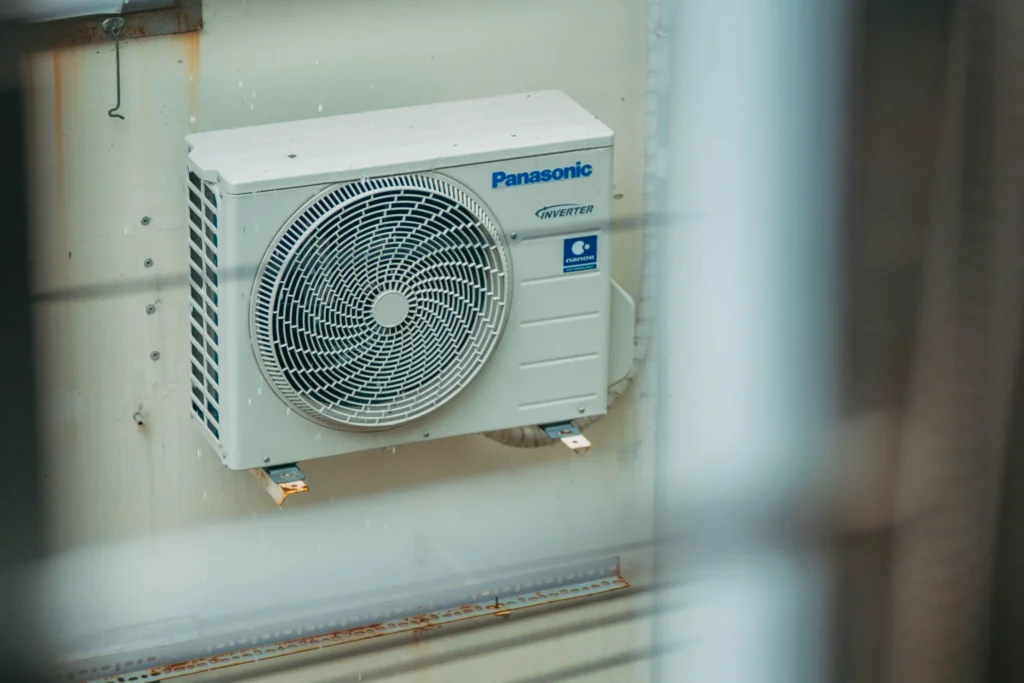
An air conditioner uses a compressor to pressurize refrigerant, which absorbs heat from indoor air through an evaporator coil and releases it outside through a condenser coil. This is a genuine mechanical heat-removal process — it changes what the thermometer reads, and it works regardless of what the weather is doing outside. As a side effect, AC also drops indoor humidity by roughly 10-25%, which is a real comfort benefit in sticky climates.
A whole-house fan does something completely different: it doesn’t remove heat, it moves air. Installed in the attic, it pulls cooler outdoor air in through open windows and pushes warm indoor air out through attic vents, typically cooling a home within minutes when conditions are right. The catch is right there in that description — it only works when outdoor air is actually cooler than indoor air. Run a whole-house fan against warm, humid night air, and it accomplishes nothing, or can even make things feel worse.
The Real Cost Gap
This is where the numbers get genuinely dramatic, and it’s worth seeing them side by side.
Whole-house fans use 200-700 watts and cost roughly $10-$30 a month, even run nightly through a full cooling season. Central air conditioning draws 3,000-5,000 watts and typically costs $150-$350 a month during peak summer. A 450-watt whole-house fan running six hours an evening costs about 8 cents an hour, compared to roughly $2 an hour for the central AC it would otherwise replace during those same hours, based on the April 2026 US average residential electricity rate.
Installation costs follow a similar pattern. A whole-house fan typically costs $600-$2,500 fully installed. Central AC runs $3,000-$7,000, and if your home doesn’t already have ductwork, add another $2,000-$5,000 on top of that. The combination of lower upfront cost and dramatically lower operating cost is why whole-house fans are frequently described as paying for themselves within a single cooling season in the right climate.
The Part That Actually Decides Which One You Need: Climate
None of those savings numbers matter if a whole-house fan simply doesn’t work where you live — and this is genuinely the deciding factor, more than budget or preference.
Where whole-house fans excel: Regions with a meaningful nighttime temperature drop and lower humidity are the ideal match. California’s Central Valley, Colorado, Nevada, high-desert Arizona, and the inland Pacific Northwest commonly see 25-40°F swings between afternoon highs and overnight lows — exactly the conditions a whole-house fan needs to flush a home with genuinely cool air and hold that coolness into the next day.
Where they struggle or backfire: In humid, warm-overnight climates, the math reverses. Florida, the Texas Gulf Coast, Houston, and Atlanta commonly stay warm and humid through the night. Pulling in 78°F humid air doesn’t meaningfully cool a home, and the moisture that air carries becomes an additional load your AC has to remove later — meaning a whole-house fan can genuinely cost you more in the long run in these climates, not less.
The hard temperature ceiling that applies everywhere: Regardless of climate type, the CDC specifically advises against relying on fans above 95°F, since moving hot air around can increase heat stress rather than relieve it. At that threshold, air conditioning is the appropriate choice no matter where you live.
Comparison Table: Whole-House Fan vs. AC by the Numbers
| Factor | Whole-House Fan | Central AC |
|---|---|---|
| Power Draw | 200–700 watts | 3,000–5,000 watts |
| Typical Monthly Running Cost | $10–$30 | $150–$350 (peak summer) |
| Installation Cost | $600–$2,500 | $3,000–$7,000 (+$2,000–$5,000 if ductwork needed) |
| Works Regardless of Weather | No, requires cooler outdoor air | Yes |
| Dehumidifies Indoor Air | No | Yes (10–25% reduction) |
| Best Climate Fit | Dry climates, 20°F+ nightly temperature drop | Humid climates, hot nights, extreme heat (95°F+) |
| Cools a Home This Fast | Minutes | Minutes, but continuous operation needed to maintain |
This table reflects 2026 national average data; your specific costs depend on local electricity rates, home size, and fan/AC unit specifications.
Why “Both” Is Often the Actual Answer
Framing this as a strict either/or choice misses the most cost-effective approach many homeowners actually land on: using both systems strategically rather than picking one permanently.
A common, well-documented pattern is running the whole-house fan during cool evening and morning hours, then switching to AC only during the hottest part of the day when fans alone can’t keep up. This shifts a meaningful share of total cooling hours off a 3,000+ watt compressor and onto a 200-700 watt fan motor, without sacrificing comfort during genuinely hot stretches.
There’s a real caution here, though: running a whole-house fan and AC at the same time wastes energy, since they’re effectively working against each other — the fan pulling in outdoor air while the AC tries to maintain a conditioned indoor temperature. The two systems are complementary on a schedule, not simultaneous.
Even short of installing a whole-house fan, simply using ceiling fans to raise your AC thermostat setting by 4°F can cut cooling costs by roughly 14%, which is a low-cost way to capture some of the same savings principle without a whole-house fan installation at all.
What to Check Before Installing a Whole-House Fan
A whole-house fan needs adequate attic ventilation to work safely and effectively — roughly 1 square foot of net free vent area per 750 CFM of fan capacity is the standard sizing guideline. Undersized attic venting is one of the most common causes of poor performance and noise complaints, so this is worth confirming with an installer rather than assuming your existing attic vents are sufficient.
It’s also worth checking for safety considerations around combustion appliances (gas water heaters, furnaces) in the home, since a whole-house fan creates negative pressure that can, in rare cases, pull combustion byproducts back into living space if appliances aren’t properly vented — a licensed installer should evaluate this as part of a proper installation.
Frequently Asked Questions
In dry climates with a significant nighttime temperature drop (20°F or more) and manageable daytime highs, yes, for many homeowners. In humid climates or areas with hot overnight temperatures, a whole-house fan works better as a supplement to AC rather than a full replacement.
Generally not well. Pulling in warm, humid night air doesn’t meaningfully cool a home, and the added moisture becomes an extra load your AC has to remove afterward, which can make a whole-house fan cost more than it saves in these climates.
Multiple sources, including U.S. Department of Energy data, cite savings of 50-90% on cooling costs when used in an appropriate climate, since a fan drawing 200-700 watts costs a fraction of what a 3,000-5,000 watt AC compressor costs to run for the same hours.
No, this wastes energy, since the two systems work against each other — the fan pulling in outdoor air while the AC tries to maintain a set indoor temperature. They’re most effective used on a schedule, not simultaneously.
The CDC advises against relying on fans above 95°F, since moving hot air can increase heat-related health risk rather than provide relief. Air conditioning is the appropriate choice at that threshold regardless of your local climate type.
A whole-house fan typically costs $600-$2,500 installed, compared to $3,000-$7,000 for central AC, plus an additional $2,000-$5,000 if ductwork isn’t already present.
The Bottom Line
Whole-house fans and AC aren’t really competing products, they’re tools suited to different conditions, and the right choice depends far more on your local climate than on any general preference. If you live somewhere with cool, dry evenings and manageable daytime highs, a whole-house fan can realistically replace most of your AC usage and pay for itself within a season. If you’re in a humid, hot-overnight climate, AC remains the more reliable choice, though pairing it with fans strategically still meaningfully lowers your cooling costs. Check your local nighttime temperature and humidity patterns before deciding, since that single factor determines almost everything else in this comparison.
SOURCES
- WholeHouseFan.com : “Whole House Fan vs AC: Costs, Energy Use & Comfort Compared”
- RunWatts : “How Much Does a Whole House Fan Cost to Run? (2026 Data)“
- WholeHouseFan.com : “Whole House Fan vs Air Conditioning: Costs, Comfort, Climate”
- Greener Solutions : “Whole House Fan vs Air Conditioning: Which is Right for Your Home?”
- Evapolar : “Fan vs AC Power Consumption: Energy Cost Comparison Guide”
- Kahn Air Conditioning : “Is It Cheaper to Run a Whole-House Fan or an AC?”
DISCLAIMER
PeakGuard Home provides general guidance on home and solar improvement topics based on research and publicly available information. This content is intended for informational purposes only and should not be treated as professional advice. Costs, products, and recommendations may vary based on your location, home, and local codes. Always consult a licensed contractor, electrician, or solar professional before making improvement decisions or starting any project.